How I Fixed My Neck Pain with Real Food—No Gimmicks, Just Results
Neck pain used to ruin my days—staring at screens, poor posture, constant aches. I tried stretches and pillows, but nothing stuck until I looked deeper. Turns out, what I ate played a huge role in inflammation and tissue health. This isn’t a magic fix, but a real, practical shift. Let me walk you through how changing my diet quietly transformed my cervical spine comfort—no hype, just honest, science-backed steps that actually work.
The Hidden Link Between Diet and Neck Health
For years, I believed neck pain was purely mechanical—the result of slouching at my desk, craning over my phone, or sleeping in awkward positions. I invested in ergonomic chairs, rolled towels for lumbar support, and even tried posture-correcting braces. While these helped slightly, the dull ache behind my shoulders and the stiffness that crept into my mornings never fully disappeared. It wasn’t until I began researching chronic pain that I discovered a less obvious contributor: systemic inflammation driven by everyday food choices.
Inflammation is the body’s natural response to injury or infection, a protective mechanism designed to heal. But when it becomes chronic—lingering at low levels over time—it can damage healthy tissues, including those in the cervical spine. The joints, muscles, and connective tissues in the neck are not immune to this internal environment. When inflammatory markers circulate persistently, they can weaken cartilage, irritate nerves, and impair the body’s ability to repair micro-damage caused by daily movement and strain.
Diet plays a central role in regulating this process. Certain foods act as accelerants, triggering the release of pro-inflammatory cytokines, while others serve as natural brakes, helping to restore balance. The realization that my meals might be fueling my discomfort was both surprising and empowering. It meant that relief wasn’t just about adjusting my posture or doing more neck rolls—it was also about what I was putting on my plate. By shifting my focus from purely physical interventions to include nutritional support, I began to address the root cause, not just the symptoms.
This connection between food and musculoskeletal health is increasingly recognized in integrative and functional medicine. While traditional approaches often separate diet from structural pain, modern understanding emphasizes the body as an interconnected system. A joint does not exist in isolation; it is nourished, protected, and influenced by the biochemical environment created by nutrition, sleep, and stress levels. For neck pain sufferers, especially those with recurring or unexplained discomfort, overlooking diet may mean missing a critical piece of the puzzle.
Why Anti-Inflammatory Eating Matters for Your Spine
Anti-inflammatory eating isn’t a trendy diet or a short-term cleanse—it’s a sustainable way of nourishing the body to reduce internal stress and support long-term tissue health. At its core, this approach emphasizes whole, minimally processed foods rich in nutrients that actively calm inflammation. Unlike restrictive plans that eliminate entire food groups without medical necessity, anti-inflammatory eating focuses on inclusion: adding more beneficial foods rather than simply cutting out the bad.
One of the most powerful components of this way of eating is omega-3 fatty acids. Found abundantly in fatty fish like salmon, mackerel, and sardines, omega-3s are known to counteract the effects of omega-6 fats, which are prevalent in processed and fried foods. While both types of fats are essential, the modern Western diet often contains far too many omega-6s, creating an imbalance that promotes inflammation. By increasing omega-3 intake, the body can produce resolvins and protectins—molecules that help resolve inflammation and protect tissues from damage.
Antioxidants are another cornerstone. Vitamins C and E, along with plant-based compounds like flavonoids and polyphenols, neutralize free radicals—unstable molecules that contribute to cellular aging and tissue breakdown. Berries, citrus fruits, spinach, and nuts are excellent sources. These nutrients help preserve the integrity of collagen, a key structural protein in tendons, ligaments, and cartilage that supports the cervical spine. When collagen is strong and well-maintained, the neck’s supporting structures are better equipped to handle daily stress.
Additionally, healthy fats such as those in avocados, olive oil, and nuts support cell membrane fluidity and hormone regulation, both of which influence how the body responds to injury and repair. Fiber-rich plant foods also play a role by supporting gut health, which is increasingly linked to systemic inflammation. A balanced gut microbiome helps regulate immune function, reducing the likelihood of inappropriate inflammatory responses. Together, these elements create a dietary foundation that doesn’t just soothe pain but actively builds resilience in the musculoskeletal system.
Cutting Out the Inflammation Triggers: What to Ditch
Just as important as adding beneficial foods is removing those that fuel inflammation. The first major change I made was eliminating refined sugars. Found in soft drinks, pastries, sweetened cereals, and even many packaged sauces, added sugar causes rapid spikes in blood glucose, triggering the release of inflammatory cytokines. Over time, this repeated stress can desensitize the body’s response and contribute to chronic low-grade inflammation, which manifests as joint stiffness, fatigue, and persistent pain.
Another key culprit is processed vegetable oils, such as soybean, corn, and sunflower oil. These are high in omega-6 fatty acids and are commonly used in fried foods, snack chips, and margarine. While omega-6s are necessary in small amounts, excessive intake without a balancing amount of omega-3s shifts the body into a pro-inflammatory state. I began replacing these oils with extra virgin olive oil, which contains oleic acid and polyphenols that have been shown to reduce inflammatory markers. Cooking at home more often made this switch easier and also gave me greater control over ingredient quality.
Excessive alcohol consumption is another factor that can worsen neck and joint discomfort. Alcohol increases oxidative stress and can disrupt sleep, both of which impair recovery. It also places additional burden on the liver, the organ responsible for filtering toxins and regulating inflammation. I didn’t eliminate alcohol entirely, but I reduced my intake significantly, opting for an occasional glass of red wine, which contains resveratrol—a compound with mild anti-inflammatory properties.
Processed and ultra-processed foods, in general, tend to combine multiple inflammatory triggers: sugar, unhealthy fats, and artificial additives. These items are often low in nutrients and high in calories, contributing to weight gain, which in turn increases mechanical stress on the spine. By gradually replacing these with whole food alternatives, I noticed not only a reduction in neck stiffness but also improved energy levels and mental clarity. The changes weren’t about deprivation; they were about upgrading my fuel source for better overall function.
Foods That Support Cervical Spine Strength and Recovery
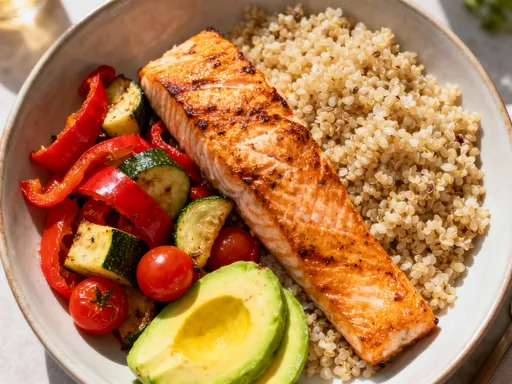
Once I had removed the major dietary aggravators, I focused on incorporating foods that actively supported tissue repair and joint health. One of the most impactful additions was fatty fish. I started eating salmon or sardines at least twice a week, either grilled, baked, or added to salads. The omega-3 content not only helped reduce inflammation but also improved the suppleness of my muscles and the comfort of my joints. On days I didn’t eat fish, I included ground flaxseed or chia seeds in my morning smoothie or oatmeal for a plant-based source of alpha-linolenic acid (ALA), a precursor to omega-3s.
Leafy green vegetables became a non-negotiable part of every meal. Spinach, kale, and Swiss chard are rich in magnesium, a mineral that plays a vital role in muscle relaxation and nerve function. Many people are mildly deficient in magnesium, which can contribute to muscle tension and spasms—common contributors to neck pain. I found that sautéing greens with garlic and olive oil made them more enjoyable and increased the absorption of fat-soluble nutrients like vitamin K, which supports bone health.
Berries, especially blueberries and strawberries, became my go-to snacks. Their deep pigments come from anthocyanins, powerful antioxidants that have been associated with reduced oxidative stress in connective tissues. I added them to yogurt, blended them into smoothies, or simply ate a handful with a few almonds for a balanced mini-meal. Nuts, particularly walnuts, provided not only healthy fats but also vitamin E and selenium, both of which support immune regulation and tissue protection.
Bone broth was another valuable addition. While not a miracle cure, it is a natural source of collagen, gelatin, and amino acids like glycine and proline, which are building blocks for cartilage and connective tissue. I started making my own by simmering chicken or beef bones with vegetables and apple cider vinegar for 12 to 24 hours, then sipping the broth as a warm drink or using it as a base for soups. Even store-bought versions, as long as they were low in sodium and free of additives, offered some benefit. Over time, I noticed my joints felt less stiff, especially in the morning.
Building a Spine-Friendly Plate: A Practical Framework
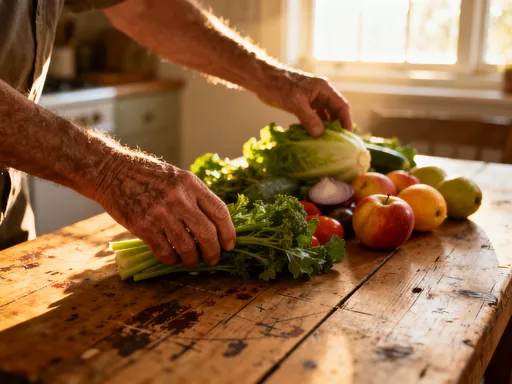
With the key foods identified, I needed a simple, repeatable way to structure my meals. I adopted a visual plate model that made healthy eating intuitive and sustainable. I aimed for half my plate to be filled with colorful vegetables—a mix of leafy greens, cruciferous vegetables like broccoli and cauliflower, and other non-starchy options like bell peppers, zucchini, and carrots. This ensured a high intake of fiber, vitamins, and antioxidants.
One-quarter of the plate was dedicated to lean protein. This included not only fish and poultry but also plant-based options like lentils, chickpeas, and tofu. Protein is essential for muscle repair and maintenance, and adequate intake helps prevent the muscle wasting that can occur with inactivity or aging. I made sure to include protein at every meal to support satiety and steady energy levels, which in turn reduced cravings for sugary snacks.
The remaining quarter consisted of healthy fats and complex carbohydrates. Sweet potatoes, quinoa, brown rice, and oats provided slow-digesting energy and helped stabilize blood sugar, preventing the crashes that often lead to fatigue and poor food choices. Healthy fats from avocado, olive oil, nuts, and seeds supported hormone balance and nutrient absorption. I also paid attention to meal timing, eating every four to five hours to maintain metabolic stability and avoid overeating at night.
Breakfast became a nutrient-dense smoothie with spinach, frozen berries, chia seeds, Greek yogurt, and almond butter. Lunch was often a large salad with mixed greens, grilled chicken, avocado, and a lemon-olive oil dressing. Dinner rotated between baked fish with roasted vegetables, stir-fries with tofu and broccoli, and hearty soups with lentils and greens. Snacks included apple slices with nut butter, a small handful of walnuts, or a boiled egg. This framework wasn’t rigid—it allowed for flexibility while keeping me consistently on track.
Beyond Food: Pairing Diet with Lifestyle for Maximum Impact
Diet alone, no matter how well-constructed, is only one part of the equation. I quickly learned that its benefits were amplified when combined with other healthy lifestyle habits. Hydration was a simple but powerful factor. Water is essential for maintaining the fluidity of synovial fluid, the lubricant in joints, and for supporting the health of spinal discs, which are largely composed of water. I made it a habit to drink a glass of water first thing in the morning and carried a reusable bottle throughout the day.
Sleep quality also played a crucial role. During deep sleep, the body repairs tissues, regulates hormones, and reduces inflammation. Poor or inconsistent sleep can elevate cortisol levels, which in turn increases systemic inflammation and muscle tension. I established a bedtime routine that included turning off screens an hour before bed, reading, and practicing gentle stretching. I also invested in a supportive pillow that kept my neck aligned with my spine, complementing the internal healing supported by my diet.
Screen time habits required adjustment as well. Even with better nutrition, spending hours hunched over a laptop would undo progress. I set reminders to take breaks every 30 minutes, during which I performed simple neck rolls, shoulder shrugs, and looked away from the screen to reset my posture. I also adjusted my workstation so that my monitor was at eye level and my keyboard allowed my elbows to rest at a 90-degree angle.
Gentle movement became a daily practice. I incorporated short walks, yoga, and tai chi into my routine, all of which improved circulation, reduced stiffness, and enhanced body awareness. Stress management techniques like deep breathing and mindfulness helped lower my overall physiological stress load, which is closely tied to inflammation. When the body is in a constant state of stress, it produces more inflammatory chemicals. By calming the nervous system, I created a more favorable internal environment for healing.
Realistic Expectations and When to Seek Professional Help
It’s important to emphasize that dietary changes are not a substitute for medical evaluation. While my neck pain improved significantly, I did not ignore persistent symptoms or assume food alone could fix a structural issue. If pain is severe, radiates down the arms, or is accompanied by numbness, tingling, or weakness, it’s essential to consult a healthcare provider. Conditions such as cervical radiculopathy, herniated discs, or spinal stenosis require professional diagnosis and treatment.
Nutrition works best as a supportive strategy—one that enhances recovery, reduces discomfort, and improves overall resilience. For me, the changes didn’t produce overnight results. It took about six to eight weeks of consistent eating and lifestyle adjustments before I noticed a meaningful difference. The pain didn’t vanish completely at first, but it became less frequent, less intense, and easier to manage. Over time, the improvements became more pronounced, and I regained a sense of control over my well-being.
The goal is not perfection but progress. Small, sustainable shifts in eating habits can lead to lasting benefits. You don’t need to overhaul your diet in a single day. Start by adding one serving of vegetables to each meal, swapping out processed snacks for whole foods, or replacing sugary drinks with water or herbal tea. These choices, repeated over time, create a foundation for better health.
Neck pain is more than a physical discomfort—it can affect mood, productivity, and quality of life. By addressing it from the inside out, through real food and mindful living, you give your body the tools it needs to heal. This isn’t about chasing quick fixes or following fads. It’s about making thoughtful, informed choices that honor your body’s need for nourishment, balance, and care. And sometimes, the quietest changes—the ones made at the kitchen table—can lead to the most profound transformations.