Move More, Live Better: My No-Excuses Routine That Actually Sticks
We’ve all heard “exercise is good for you,” but let’s be real—staying active every day feels hard. I used to skip workouts, making excuses like being too tired or too busy. Then I changed one small thing: I stopped chasing perfection and started building consistency. This simple shift didn’t just boost my energy—it transformed how I see movement. It’s not about intense gym sessions; it’s about creating a lifestyle where moving feels natural, doable, and even enjoyable. Over time, I learned that lasting health isn’t built in a single 60-minute class, but in the small, repeated choices we make every day. And the best part? Anyone can do it—regardless of age, fitness level, or schedule.
The Myth of “All or Nothing” Exercise
For years, many people—including myself—believed that if a workout wasn’t hard, long, or sweat-drenched, it didn’t count. This mindset, often called the “all or nothing” approach, suggests that unless you’re giving 100%, you might as well do nothing. But research consistently shows this thinking backfires. According to the American Heart Association, adults need at least 150 minutes of moderate-intensity aerobic activity per week, but the key is regularity, not perfection. In fact, a study published in the British Journal of Sports Medicine found that even short bursts of movement—such as three 10-minute walks—can offer similar cardiovascular benefits as one continuous 30-minute session.
When we set the bar too high, we set ourselves up for failure. Missing a single day can trigger guilt, which often leads to quitting altogether. This cycle of starting strong and fading fast is one of the most common reasons people abandon fitness goals. The solution isn’t more willpower; it’s a shift in perspective. Instead of aiming for dramatic transformations, focus on showing up consistently, even if it’s just for a few minutes. Movement doesn’t have to be intense to be valuable. A walk around the block, a few minutes of stretching, or pacing while on the phone all contribute to your body’s health. Over time, these small actions accumulate, improving circulation, boosting metabolism, and strengthening the heart.
The real goal isn’t to complete a marathon or master a fitness trend. It’s to stay active in a way that fits your life. By letting go of the idea that only long, structured workouts matter, you free yourself to embrace movement in all its forms. This mindset shift—from performance to participation—lays the foundation for lifelong wellness. It turns movement from a chore into a natural rhythm, something you do not because you have to, but because it feels good. And that’s where real, lasting change begins.
Why Your Body Loves Regular Movement (Not Just “Working Out”)
Your body wasn’t designed to sit for hours on end. From an evolutionary standpoint, humans were built to move—to walk, carry, climb, and explore. Today, many of us spend most of our day seated, whether at a desk, in a car, or on the couch. This sedentary lifestyle disrupts natural bodily functions in ways we’re only beginning to fully understand. The good news? The solution isn’t extreme. Your body responds positively to even modest increases in daily activity. Movement, in its simplest form, acts like a daily tune-up for your internal systems.
Take circulation, for example. When you move, your heart pumps more efficiently, delivering oxygen and nutrients to your cells. This supports brain function, keeps your skin healthy, and helps organs operate smoothly. Similarly, physical activity stimulates digestion. A short walk after a meal can help regulate blood sugar and reduce bloating. Even gentle movement like stretching or light housework engages your muscles and joints, promoting flexibility and reducing stiffness over time. These benefits aren’t reserved for athletes or fitness enthusiasts—they’re available to anyone who simply chooses to move more.
Equally important is the impact of movement on mental well-being. Physical activity triggers the release of endorphins and other mood-regulating chemicals in the brain. This natural effect can ease feelings of stress, improve focus, and promote better sleep. Unlike intense workouts, which can sometimes feel overwhelming, everyday movement—like gardening, folding laundry with intention, or taking the stairs—feels accessible and sustainable. It’s not about burning calories; it’s about feeling more alive in your body. When you move regularly, you’re not just exercising—you’re honoring your body’s natural design. You’re giving it what it has always needed: motion, rhythm, and life.
Finding Your Natural Rhythm: Matching Activity to Your Life
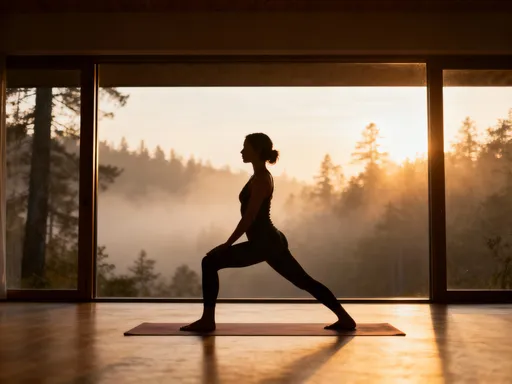
One size does not fit all when it comes to movement. What works for a morning jogger might not suit someone who thrives in the evening. The key to building a lasting routine isn’t copying someone else’s schedule—it’s tuning into your own energy patterns and daily rhythms. Some people feel most alert and motivated first thing in the morning, while others find their stride after work or during quiet evening hours. Recognizing your natural rhythm allows you to align movement with when you’re most likely to follow through.
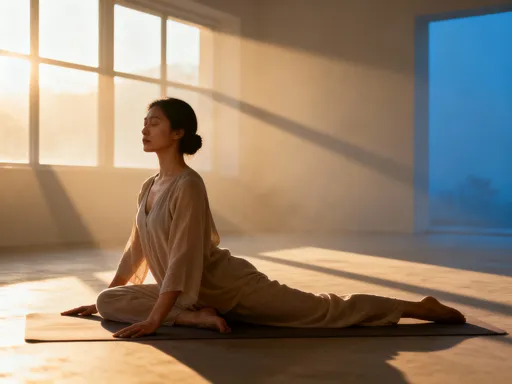
Personality also plays a role. If you enjoy solitude and quiet reflection, a solo walk or gentle yoga session might feel more appealing than a high-energy group class. If you’re social and energized by others, dancing with family or joining a walking group could be more sustainable. The goal is to find activities that don’t feel like a burden, but rather a welcome part of your day. This doesn’t mean you have to love every minute—some days, movement will feel effortless; on others, it will take effort. But when the activity fits your preferences, the effort feels worth it.
Experimentation is essential. Try different types of movement at different times and notice how they affect your energy and mood. Keep a simple log for a week: note when you moved, what you did, and how you felt afterward. You might discover that a five-minute stretch in the morning helps you feel more centered, or that a post-dinner walk clears your mind. These small insights build self-awareness, which is more powerful than any fitness trend. When you move in a way that feels right for you, it stops being something you “should” do and starts becoming something you want to do. That’s when habits take root and begin to last.
The 5-Minute Rule: How to Start When You’re Tired or Busy
Motivation is unreliable. Some days, you’ll feel energized and eager to move. Other days, exhaustion, stress, or a packed schedule will make even the thought of activity feel impossible. This is where motivation fails—and systems succeed. The 5-minute rule is a simple but powerful strategy: commit to moving for just five minutes. That’s it. You don’t have to finish a full workout. You don’t have to feel great. You just have to start.
What makes this rule so effective is that it removes the pressure of performance. Instead of thinking, “I need to do 30 minutes of exercise,” you tell yourself, “I’ll just stretch for five minutes.” This tiny commitment feels manageable, even on the hardest days. And here’s the secret: once you start, you often keep going. The body and mind respond to motion. After two minutes of walking, you might think, “I can do three more.” After five minutes of stretching, you might realize your muscles feel looser and decide to continue. The hardest part of any habit is the first step—the 5-minute rule makes that step small enough to take, no matter what.
This strategy works because it builds momentum, not guilt. It’s not about pushing through pain or forcing yourself to “tough it out.” It’s about honoring your current state while still showing up for your long-term health. On days when five minutes is all you do, that’s still a win. On days when it turns into 20 or 30, that’s a bonus. Over time, the act of starting becomes automatic. You stop debating whether to move and simply begin. And that’s how consistency is built—one small, doable choice at a time.
Building Daily Movement Into Your Environment
Willpower is limited, but environment is powerful. If your shoes are buried in a closet, your yoga mat is rolled up in the corner, and your phone is set to silent, it’s easy to forget—or avoid—movement. But when your surroundings support your goals, action becomes effortless. This is the principle of habit design: make the right choice the easiest choice. By adjusting your environment, you reduce the need for constant decision-making and increase the likelihood of consistent movement.
Start with visibility and accessibility. Place your walking shoes by the front door so they’re the first thing you see when you get home. Keep a resistance band on your desk or a pair of light dumbbells near your favorite chair. If you enjoy walking after dinner, set a reminder on your phone or leave your jacket on a hook by the door as a visual cue. These small changes create automatic triggers that prompt action without requiring motivation. Over time, these cues become part of your routine, like brushing your teeth or making coffee.
Technology can also support your habits. Use calendar alerts to schedule short movement breaks, or set a daily step goal on a basic pedometer. But don’t let devices become sources of stress. The goal isn’t to hit a perfect number every day—it’s to stay aware and engaged. You can also involve your household. If you live with family, suggest a post-meal walk together or a nightly stretching session. When movement becomes a shared habit, it’s more enjoyable and easier to maintain. By shaping your environment to support activity, you create a life where moving isn’t an extra task—it’s simply part of how you live.
Tracking Progress Without Obsession
Measuring progress can be motivating—but only if done the right way. Many people fall into the trap of over-tracking: obsessing over step counts, calories burned, or workout duration. When numbers become the focus, movement can start to feel like a test you’re constantly failing. This leads to frustration, not fulfillment. The goal of tracking isn’t perfection; it’s awareness. It’s about noticing patterns, celebrating consistency, and staying connected to how movement makes you feel.
A simpler approach is often more effective. Try marking an “X” on a calendar for each day you move, no matter how briefly. This visual chain becomes a source of quiet pride. The longer the streak, the more likely you are to keep going. Another method is journaling—not about numbers, but about sensations. After a walk, note how your body felt. Did your shoulders relax? Did your mind feel clearer? These reflections deepen your connection to the benefits of movement, beyond what any device can measure.
It’s also important to redefine what success looks like. Did you move today, even if only for five minutes? That’s success. Did you choose the stairs instead of the elevator? That’s progress. Over time, these small wins add up. You begin to see that health isn’t about dramatic changes, but about daily choices. Tracking should support this mindset, not undermine it. When you focus on how movement improves your energy, mood, and daily functioning, you shift from chasing external goals to honoring your internal experience. And that’s where true, lasting motivation comes from.
From Habit to Lifestyle: Making Movement a Part of Who You Are
Habits become lasting when they shift from something you do to something you are. At first, moving daily might feel like a task you’re forcing yourself to complete. But over time, as you repeat the action, your self-perception begins to change. You stop thinking, “I’m trying to exercise more,” and start thinking, “I’m someone who moves every day.” This subtle shift in identity is one of the most powerful forces in behavior change.
When movement becomes part of your identity, it no longer depends on motivation, mood, or schedule. It becomes as natural as breathing or eating. You don’t question whether to brush your teeth—you just do it. In the same way, moving becomes a non-negotiable part of your day, not because it’s easy, but because it’s who you are. This transformation doesn’t happen overnight. It’s built through repetition, patience, and self-compassion. Some days will be easier than others. What matters is showing up, even in small ways, and trusting that each action counts.
The long-term benefits of this lifestyle are profound. Regular movement boosts energy, improves sleep, enhances mood, and supports overall resilience. These changes may seem small at first, but they compound over time. You’ll notice that you have more stamina to play with your children or grandchildren, more focus at work, and greater ease in daily tasks. You’ll feel stronger, not just physically, but mentally and emotionally. And perhaps most importantly, you’ll feel more in tune with your body—more present, more capable, more alive.
Moving more isn’t about achieving a certain look or fitting into a particular mold. It’s about creating a life where you feel good in your body and capable in your daily routines. It’s about making choices today that support the version of yourself you want to become. You don’t need a gym membership, expensive equipment, or hours of free time. You just need the willingness to start small, stay consistent, and believe that every step—no matter how tiny—matters. Because when you move more, you don’t just live longer. You live better.