Why Yoga Meets TCM? How I Built a Routine That Actually Works
Have you ever tried yoga or meditation but struggled to stay consistent? I was there too—until I discovered how traditional Chinese medicine (TCM) principles could deepen my practice. By aligning yoga and meditation with natural body rhythms, seasonal changes, and energy flow, I created a sustainable routine that feels effortless. This isn’t about perfection; it’s about rhythm, balance, and listening to your body in a whole new way. What began as a personal experiment—combining movement with ancient wisdom—turned into a transformative lifestyle. For women in their 30s to 50s juggling family, work, and self-care, this approach offers a gentle yet powerful path to lasting well-being. It’s not about adding more to your day. It’s about working with your body, not against it.
The Burnout Breakthrough: When Yoga Alone Wasn’t Enough
For years, I approached yoga like a checklist. Roll out the mat. Complete the sequence. Check it off. I loved the way yoga made me feel—lighter, calmer, more centered—yet I couldn’t maintain a regular rhythm. Some days I felt too drained to move. Other days, I pushed too hard, only to feel sore or irritable afterward. The inconsistency left me frustrated. I wasn’t lazy or undisciplined. I was simply out of sync.
What I didn’t realize then was that wellness isn’t just about effort. It’s about timing, awareness, and inner alignment. I had been treating my body like a machine, expecting the same output every day regardless of how I truly felt. The turning point came during a period of fatigue and low motivation. I attended a workshop on holistic wellness where a practitioner introduced the idea of energy cycles in traditional Chinese medicine. She explained that our bodies aren’t meant to perform at peak levels around the clock. Instead, they follow natural rhythms—daily, monthly, and seasonal—that influence how we feel and function.
This concept resonated deeply. I began to see my failed attempts at consistency not as personal shortcomings, but as signs of misalignment. The missing piece wasn’t more willpower. It was awareness—of my body’s signals, my energy fluctuations, and the subtle patterns that govern well-being. Yoga, I realized, could be more than physical exercise. When paired with an understanding of internal rhythms, it could become a form of self-listening. That shift in perspective changed everything. I stopped chasing rigid routines and started building a practice that moved with me, not against me.
TCM Basics: Understanding Qi, Yin-Yang, and the Body Clock
To understand how yoga and TCM work together, it helps to grasp a few foundational ideas. At the heart of TCM is the concept of Qi (pronounced “chee”), the vital energy that flows through the body. Think of Qi as the current that powers every function—breathing, digestion, circulation, even thought. When Qi flows smoothly and in balance, the body thrives. When it becomes blocked or depleted, discomfort or fatigue can arise. Unlike Western medicine, which often focuses on isolated symptoms, TCM looks at the whole system and how energy moves within it.
Another core principle is the balance of yin and yang. These are not opposing forces but complementary aspects of nature and the body. Yang represents activity, warmth, and outward movement—like a brisk walk or a dynamic yoga flow. Yin is about rest, coolness, and inward reflection—like deep stretching or meditation. Optimal health comes not from always being active or always resting, but from knowing when to embrace each quality. Just as day turns to night, our bodies naturally shift between yang and yin states throughout the day.
The TCM body clock maps this rhythm across 24 hours, assigning two-hour windows to different organ systems when their energy is most active. For example, the liver’s peak time is between 1 a.m. and 3 a.m., making it a crucial window for detoxification and emotional regulation. The large intestine is most active from 5 a.m. to 7 a.m., which is why many people feel the urge to eliminate first thing in the morning. By aligning activities with these cycles—such as gentle movement at dawn or winding down by 9 p.m.—we support our body’s natural functions instead of working against them. This isn’t mystical. It’s physiological wisdom refined over thousands of years.
Matching Yoga to Your Energy: The Power of Timing
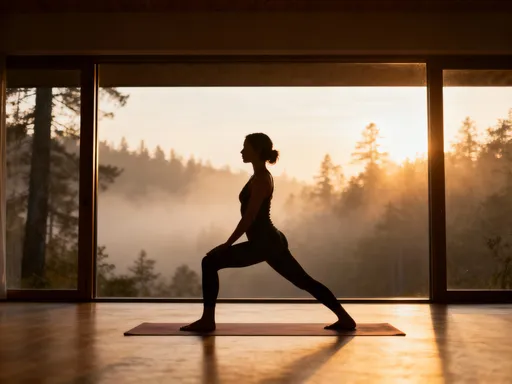
One of the most practical insights from TCM is that not all times of day are equal for practice. When I began adjusting my yoga routine based on energy patterns, the difference was immediate. Mornings, governed by the lungs and large intestine, are naturally yang-dominant. This makes them ideal for energizing practices. A short sun salutation or standing sequence upon waking helps stimulate circulation, clear stagnation, and set a grounded tone for the day. These gentle movements support the body’s natural shift from rest to activity.
In contrast, evenings are ruled by yin organs like the kidneys and pericardium. After 7 p.m., the body begins to slow down. This is not the time for vigorous flows or arm balances. Instead, TCM suggests restorative poses—legs up the wall, child’s pose, seated forward folds—that encourage relaxation and prepare the body for deep rest. I used to do intense sessions late at night, thinking I was “burning off stress.” What I was actually doing was overstimulating an already tired system. Once I switched to yin-style yoga in the evening, my sleep improved, and I woke up feeling more refreshed.
Real-life example: I noticed I often hit an energy slump between 3 p.m. and 4 p.m. According to the TCM clock, this is when the bladder and small intestine are active—organs linked to filtration and decision-making. Instead of reaching for coffee, I began doing five minutes of seated twists and shoulder rolls. These simple movements helped release physical tension and mental fog. Over time, that afternoon dip became less intense. By honoring the body’s rhythm, I wasn’t fighting fatigue. I was responding to it with care.
Meditation That Fits Your Constitution: A TCM-Informed Approach
Just as yoga can be tailored to time and energy, so can meditation. Many people assume meditation is one-size-fits-all: sit quietly, focus on the breath, and clear the mind. But if you’ve ever tried that and felt more restless than calm, you’re not alone. TCM teaches that our mental and emotional tendencies are linked to our constitutional patterns. Two women may both feel stressed, but the root cause—and the best way to address it—can differ.
For instance, someone with Qi deficiency often feels mentally drained, indecisive, or easily overwhelmed. For them, long silent sits may deepen fatigue. A better approach is gentle breath awareness with eyes open, or a short walking meditation that keeps energy moving. In contrast, someone with Liver Qi stagnation—often seen in those who feel irritable, tense, or emotionally blocked—may benefit from visualization practices, such as imagining energy flowing freely through the body, or using sound, like humming or chanting, to release tension.
I used to force myself into 20-minute breath-focused sessions, even when my mind raced. It left me frustrated. When I learned about TCM body types, I realized I showed signs of Liver Qi stagnation—tight shoulders, occasional mood swings, difficulty relaxing. I switched to five-minute sound meditations using a low hum, which created a soothing vibration in my chest and throat. The change was subtle but powerful. I felt calmer, not because I was meditating longer, but because I was meditating in a way that supported my energy. The key is not to change who you are, but to work with your natural state to restore balance.
Building a Routine That Sticks: The 7-Day Rhythm Framework
Consistency doesn’t come from rigid discipline. It comes from rhythm. I developed a weekly framework that blends yoga, meditation, and TCM principles in a way that feels natural, not forced. The foundation is the 7-Day Rhythm Framework, which honors both daily energy cycles and weekly patterns. It’s not about doing the same thing every day. It’s about creating a flow that adapts to your life.
Monday through Wednesday, I focus on gentle activation. Mornings include 10 minutes of breathwork and a short yang-style sequence. Evenings are for yin poses and quiet reflection. Thursday and Friday shift toward integration—slightly longer meditations, maybe a full yoga session if energy allows. These days prepare for the weekend’s natural slowdown. Saturday and Sunday are for deeper rest: longer yin practices, journaling, or nature walks. This weekly arc mirrors the TCM view of energy building and releasing, much like the phases of the moon.
Seasonal shifts also shape the routine. In winter, when yin energy is dominant, I prioritize warmth, rest, and introspection. My practice becomes slower, with more blankets, longer holds, and inward-focused meditations. In spring, when yang energy rises, I incorporate more movement, opening poses, and outdoor practices. I also use simple tools to stay on track. Habit stacking helps—like doing three deep breaths after brushing my teeth. An energy journal lets me track how I feel each day and adjust accordingly. Weekly check-ins—just five minutes on Sunday evening—help me reflect and plan without pressure. These small steps create a sustainable rhythm, not a burden.
Beyond the Mat: Daily Habits That Reinforce the Practice
True wellness extends beyond the yoga mat and meditation cushion. What we do throughout the day either supports or undermines our efforts. TCM offers simple, practical habits that reinforce energetic balance. One of the most impactful changes I made was switching to warm or room-temperature drinks in the morning. Cold beverages, especially first thing, can weaken digestive Qi, leading to bloating or fatigue. Starting the day with warm water or herbal tea supports internal warmth and smooth energy flow.
Hydration matters, but so does how we breathe during daily tasks. Many of us hold tension in the shoulders and chest without realizing it. I began practicing micro-breaths—three slow, deep inhales and exhales—during transitions: after hanging up the phone, before starting the car, or while waiting for the kettle to boil. These moments of conscious breathing reset the nervous system and prevent energy stagnation. Even posture plays a role. Sitting upright with feet grounded helps Qi circulate freely, especially during long periods of work or caregiving.
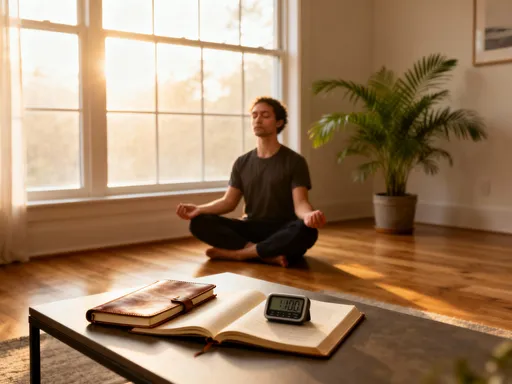
Our environment also influences consistency. I created a small, dedicated space at home with soft light, a cushion, and a calming scent—just enough to signal to my body that this is a place of peace. I also limit screen time after 8 p.m., as bright light disrupts the body’s shift into rest mode. These external cues make it easier to return to practice, even on busy days. Wellness isn’t just what we do in dedicated sessions. It’s the sum of small, mindful choices woven into everyday life.
When Life Disrupts: Flexibility Within Structure
No routine survives contact with real life unchanged. Illness, travel, family needs—these are not failures. They are part of being human. The most important lesson TCM taught me is that imbalance is not a sign of weakness. It’s information. When I feel off, instead of pushing harder, I ask: What is my body trying to tell me? Am I depleted? Overwhelmed? Emotionally congested? This shift in mindset—from guilt to curiosity—has been liberating.
During a recent family trip, my usual morning routine was impossible. Instead of skipping practice altogether, I adapted. I did five minutes of seated breathing on the hotel balcony. I walked mindfully through the airport, noticing my breath with each step. I even practiced gratitude meditation while waiting in line. These micro-moments kept me grounded. TCM views health as a dynamic process, not a fixed state. The goal isn’t perfection. It’s resilience—the ability to return to balance, again and again.
Similarly, when I’m unwell, I don’t force yoga. I listen. A fever means my body is fighting—this is a time for rest, not movement. A headache may signal Liver Qi stagnation, calling for gentle neck rolls and quiet time, not intense stretching. By responding with care rather than criticism, I honor my body’s wisdom. This flexible structure—consistent in intention, adaptable in form—has made my practice sustainable for years. It’s not about doing more. It’s about staying connected, no matter what life brings.
This integrated approach—where ancient wisdom meets modern life—turns wellness into a living rhythm, not a rigid checklist. By honoring natural cycles and personal energy, a consistent yoga and meditation practice becomes not just possible, but deeply fulfilling. It’s not about doing more; it’s about aligning better. For women navigating the demands of family, career, and self, this path offers a gentle, science-informed way to thrive. The body isn’t a problem to fix. It’s a guide to follow. When we learn its language—through breath, movement, and stillness—we don’t just feel better. We live better.