Swim Stronger: How Smart Food Pairings Fuel Your Performance
Ever wonder why some swimmers glide through the water with endless stamina while others hit a wall after a few laps? It’s not just about training harder. I’ve seen firsthand how the right dietary combinations—real, simple foods—can transform energy levels, speed recovery, and sharpen focus in the pool. As someone who’s tested countless routines, I can say this: what you eat before and after swim practice matters just as much as your stroke technique. Nutrition isn’t just about calories; it’s about timing, balance, and synergy. When swimmers understand how food fuels their bodies, they unlock a powerful edge—one that builds endurance, supports muscle repair, and sustains mental clarity lap after lap. The truth is, even the most disciplined training can fall short without proper fuel.
The Hidden Link Between Swimming and Nutrition
Swimming is one of the most physically demanding full-body workouts, yet many athletes overlook the role of nutrition in maximizing performance. While hours are spent refining strokes, building lung capacity, and improving turns, the fuel that powers each lap often takes a back seat. This gap can undermine even the most rigorous training. The connection between swimming and nutrition is not just relevant—it’s essential. Just as a high-performance engine requires the right type of oil and gasoline to run efficiently, the human body needs the proper mix of nutrients to generate energy, support muscle function, and recover effectively.
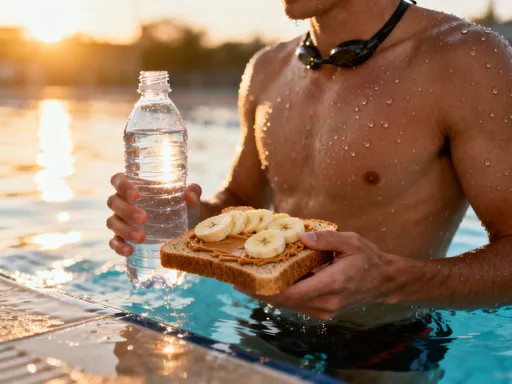
Dietary combination refers to the intentional pairing of macronutrients—carbohydrates, proteins, and fats—to enhance their individual benefits. For swimmers, this means combining foods in ways that sustain energy, prevent fatigue, and promote faster recovery. A simple example is eating a banana with a tablespoon of peanut butter: the fruit provides quick-digesting carbohydrates, while the nut butter adds protein and healthy fats that slow digestion, preventing a blood sugar crash. This kind of balance keeps energy steady during a long practice session.
Research supports this approach. Studies conducted with competitive swimmers have shown that those who consume balanced meals before and after training experience up to a 15% improvement in endurance and stroke efficiency compared to those who do not. These gains are not due to extreme diets or supplements, but to consistent, science-backed food choices. Swimmers who neglect nutrition often report common pain points: mid-session fatigue, difficulty concentrating, prolonged muscle soreness, and slow progress despite consistent effort. These issues are frequently rooted in poor fueling strategies rather than lack of ability or dedication.
Understanding this link allows swimmers and their families to make informed choices that directly impact performance. It shifts the focus from simply logging laps to building a holistic routine where food becomes a training partner. The good news is that effective nutrition doesn’t require expensive products or complicated regimens. Real, accessible foods—when combined wisely—can deliver remarkable results. The foundation of success in the water begins on land, plate by plate.
Why Swimmers Burn Out—And How Diet Plays a Role
Swimming places unique demands on the body. Unlike land-based sports, water creates resistance in every direction, requiring continuous engagement of major muscle groups—shoulders, core, back, legs, and arms. This full-body effort leads to high caloric expenditure, often ranging from 400 to 700 calories per hour, depending on intensity. Additionally, the cool temperature of pool water means the body works harder to maintain core heat, further increasing energy needs. Coupled with significant fluid loss through sweat—often unnoticed because of the aquatic environment—swimmers face a triple challenge: energy depletion, muscle fatigue, and hydration imbalance.
Despite these demands, many swimmers unintentionally sabotage their performance through poor eating habits. Skipping breakfast before early morning practice, relying on processed snacks like candy bars or chips, or under-consuming protein are common missteps. These choices may seem harmless in the short term, but over time, they contribute to chronic fatigue and reduced recovery capacity. For example, eating a sugary pastry before swimming leads to a rapid spike in blood sugar followed by a crash—just as the second set begins. This leaves the swimmer feeling sluggish, unfocused, and physically drained.
One of the most critical factors in swim performance is glycogen, the stored form of carbohydrates in muscles and the liver. Glycogen serves as the primary fuel source during moderate to high-intensity exercise. When swimmers train without adequate glycogen stores, their stroke efficiency declines, turns slow down, and perceived effort increases. This phenomenon, known as “hitting the wall,” is not a sign of weakness—it’s a signal that the body has run out of readily available fuel. Replenishing glycogen effectively requires both proper pre-swim fueling and timely post-swim nutrition.
Nutrient timing plays a crucial role in preventing burnout. Eating the right foods at strategic moments—such as a balanced meal 1–2 hours before practice or a recovery snack within an hour after—can dramatically improve energy availability and muscle repair. The body is most receptive to absorbing nutrients during these windows, especially for restoring glycogen and initiating protein synthesis. Ignoring these opportunities means missing a chance to optimize performance and recovery. By aligning food intake with training demands, swimmers can maintain consistency, reduce injury risk, and enhance overall results in the pool.
The Science Behind Food Synergy for Aquatic Athletes
Food synergy is the concept that certain nutrients work better together than in isolation. For swimmers, this means that pairing specific foods can enhance energy delivery, improve muscle recovery, and stabilize mood and focus. The science behind this lies in how the body processes macronutrients and how they influence hormonal responses, particularly insulin. Insulin is a hormone that helps shuttle glucose from the bloodstream into cells, where it can be used for energy or stored as glycogen. When carbohydrates are consumed with protein or healthy fats, the release of insulin is moderated, leading to a gradual rise in blood sugar rather than a spike and crash.
One of the most effective pairings for swimmers is carbohydrates combined with protein. Carbohydrates replenish glycogen stores, while protein provides amino acids necessary for muscle repair and growth. A study published in the Journal of the International Society of Sports Nutrition found that a 3:1 ratio of carbohydrates to protein consumed after exercise significantly enhanced glycogen resynthesis and reduced muscle soreness. Practical examples include oatmeal made with milk and topped with fruit, or whole grain toast with a boiled egg. These combinations are not only effective but also affordable and easy to prepare at home.
Another powerful synergy involves healthy fats and slow-release carbohydrates. Fats slow down digestion, which helps sustain energy over a longer period. This is particularly useful for swimmers with afternoon or evening practices who need to maintain focus and stamina. A banana with almond butter or brown rice with avocado are excellent examples. These meals provide a steady stream of energy without causing gastrointestinal discomfort. Unlike processed energy bars or sugary drinks, whole food pairings offer additional benefits such as fiber, vitamins, and antioxidants that support immune function and reduce inflammation.
Hydration paired with electrolytes is another key synergy. While water is essential, prolonged swimming can lead to the loss of sodium, potassium, and magnesium—minerals that regulate fluid balance and muscle contractions. Drinking plain water alone may not be sufficient for full rehydration. Adding a pinch of salt and a squeeze of lemon to water, or consuming coconut water, helps restore electrolyte levels naturally. These simple adjustments can prevent cramps, dizziness, and fatigue, especially during intense training periods. The emphasis should always be on real foods and drinks rather than synthetic supplements, which may contain unnecessary additives or excessive sugar.
Pre-Swim Fuel: What to Eat and When
What a swimmer eats before practice directly affects energy levels, stroke consistency, and mental focus. The ideal pre-swim meal should be consumed 1 to 2 hours before entering the pool, allowing enough time for digestion while ensuring fuel is available when needed. Eating too close to practice can cause discomfort, bloating, or nausea, especially during high-intensity sets. Conversely, swimming on an empty stomach may lead to low energy, dizziness, or early fatigue. Finding the right balance is key to performing at one’s best.
A well-designed pre-swim meal combines easily digestible carbohydrates with a moderate amount of protein and minimal fat and fiber. Carbohydrates serve as the primary energy source, while protein helps prevent muscle breakdown during exercise. Low fat and fiber reduce the risk of gastrointestinal issues in the water. One effective option is whole grain toast with scrambled eggs and a slice of tomato. The toast provides quick energy, the eggs offer high-quality protein, and the meal is gentle on the stomach. Another excellent choice is a small bowl of brown rice with grilled chicken and steamed vegetables—light yet nourishing.
For those with limited time or appetite in the morning, a smoothie can be a practical alternative. A blend of banana, Greek yogurt, a handful of oats, and a splash of milk delivers carbohydrates, protein, and some healthy fats in liquid form, which is easier to digest. It’s important to avoid heavy meals high in fat—such as fried foods or creamy pastas—as they take longer to digest and can cause discomfort during swimming. Similarly, high-fiber foods like beans or raw broccoli, while nutritious, may lead to gas or bloating if eaten too close to practice.
The goal of pre-swim nutrition is not to fill the stomach but to fuel the body. Swimmers should aim for 200 to 400 calories, depending on the length and intensity of the session. This provides enough energy to power through multiple sets without feeling weighed down. Parents and caregivers can support young swimmers by preparing these meals the night before or offering simple options like a yogurt parfait or a peanut butter and jelly sandwich on whole grain bread. Consistency in pre-swim eating habits leads to more predictable energy levels and better performance over time.
Post-Swim Recovery: Repair and Rebuild Smarter
Recovery begins the moment a swimmer steps out of the pool. The 30 to 60 minutes following exercise, often called the “golden window,” is the most critical period for nutrient absorption. During this time, muscles are primed to replenish glycogen stores and repair tissue damage caused by intense training. Missing this opportunity can delay recovery, increase soreness, and reduce readiness for the next practice. A well-balanced post-swim meal or snack is not optional—it’s a necessary part of the training process.
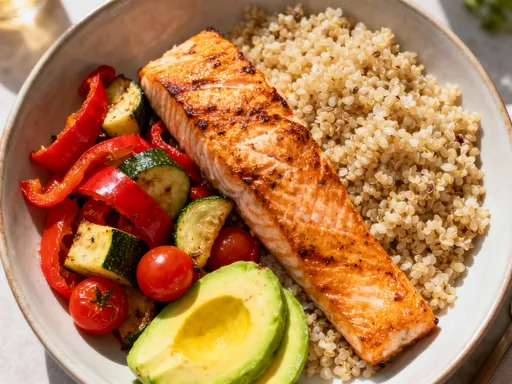
The ideal recovery meal follows a 3:1 ratio of carbohydrates to protein. This ratio has been shown to maximize glycogen restoration and stimulate muscle protein synthesis. For example, 60 grams of carbohydrates and 20 grams of protein provide the optimal balance for recovery. A practical meal might include grilled salmon with a cup of sweet potatoes and a side of steamed broccoli. The salmon supplies high-quality protein and omega-3 fatty acids, which help reduce inflammation, while the sweet potatoes offer complex carbohydrates that steadily release energy. Another option is a whole grain wrap with lean turkey, spinach, and hummus, paired with a piece of fruit.
For those who cannot eat a full meal immediately after practice, a recovery snack is a valuable alternative. Cottage cheese with mixed berries, a chocolate milk, or a banana with a tablespoon of peanut butter are all effective choices. Chocolate milk, in particular, has been studied extensively and is recognized for its natural 3:1 carb-to-protein ratio, along with calcium and vitamin D for bone health. These options are convenient, affordable, and require little preparation—important for busy families.
Hydration remains a priority after swimming. Even though swimmers may not feel sweaty, they lose fluids through respiration and invisible perspiration. Rehydrating with water is essential, but adding natural electrolytes enhances the process. A homemade drink made with water, a squeeze of lemon, a pinch of sea salt, and a teaspoon of honey provides sodium, potassium, and a small amount of sugar to aid absorption. This simple beverage is a healthier alternative to commercial sports drinks, which often contain artificial colors and high fructose corn syrup. By focusing on real, whole foods and smart hydration, swimmers can recover faster, train more consistently, and perform at their peak.
Daily Dietary Framework for Competitive and Recreational Swimmers
Nutrition for swimmers shouldn’t be limited to pre- and post-workout meals—it should be a consistent, day-long practice. A balanced daily eating pattern supports sustained energy, muscle maintenance, and overall health. Whether training for competition or swimming for fitness, a structured dietary framework helps swimmers meet their caloric and nutrient needs without overeating or relying on poor-quality foods. The foundation of this framework includes regular meals, smart snacking, and attention to portion sizes.
A sample day for a competitive swimmer might begin with a breakfast of oatmeal made with milk, topped with sliced banana and a sprinkle of chia seeds, accompanied by a boiled egg. This meal provides slow-digesting carbohydrates, protein, and healthy fats to fuel morning practice. Lunch could include a quinoa salad with grilled chicken, cucumbers, tomatoes, and olive oil dressing, offering a balance of protein, complex carbs, and heart-healthy fats. A mid-afternoon snack of apple slices with almond butter supports energy levels before evening training. Dinner might feature baked cod with brown rice and roasted vegetables, followed by a small serving of Greek yogurt with honey for dessert.
For recreational swimmers or those with lower training volumes, portion sizes can be adjusted accordingly. The key is maintaining the same principles: balanced macronutrients, whole foods, and consistent timing. Snacks should be purposeful—aimed at stabilizing blood sugar and preventing excessive hunger—not mindless eating. Options like a hard-boiled egg, a small handful of nuts, or a piece of fruit are nutritious and satisfying. Listening to hunger and fullness cues is important, especially for growing adolescents or adults managing weight.
Hydration should be maintained throughout the day, not just around workouts. Carrying a reusable water bottle and drinking regularly helps prevent dehydration, which can impair focus and physical performance. Parents can model healthy habits by preparing family meals that align with these principles, making nutritious eating a shared priority. Over time, these choices become routine, reducing decision fatigue and supporting long-term success in and out of the pool.
Myths, Missteps, and How to Stay on Track
Despite growing awareness, several myths about swim nutrition persist. One common belief is that “swimming burns so many calories, I can eat whatever I want.” While swimming is indeed calorie-intensive, this mindset can lead to poor food choices that undermine performance. Eating excessive amounts of processed foods, sugary drinks, or fast food—even with high activity—can result in inflammation, energy crashes, and suboptimal recovery. Quality matters as much as quantity. Another myth is that “protein alone builds strength.” While protein is essential, muscles also need carbohydrates for fuel and repair. Without adequate carbs, the body may break down protein for energy, reducing its availability for muscle growth.
Some swimmers attempt restrictive diets, such as cutting out carbohydrates entirely, in an effort to lose weight or improve performance. However, this approach is counterproductive. Carbohydrates are the primary fuel for high-intensity exercise, and long-term restriction can lead to fatigue, hormonal imbalances, and increased injury risk. The body needs a balanced intake of all macronutrients to function optimally. Extreme dieting is especially concerning for young athletes, whose growing bodies require consistent nourishment.
Staying on track doesn’t require perfection. Small, consistent improvements—like adding a post-swim snack, choosing whole grains over refined ones, or drinking more water—lead to meaningful results over time. It’s also important to recognize when professional guidance is needed. Registered dietitians who specialize in sports nutrition can provide personalized plans based on training load, age, and health status. They help swimmers navigate complex needs without falling for fad diets or unproven supplements.
Ultimately, the goal is to build a sustainable, healthy relationship with food—one that supports performance, recovery, and overall well-being. Swimmers who prioritize smart nutrition gain more than strength and speed; they gain confidence, resilience, and the ability to enjoy their sport for years to come. By making informed, balanced choices, every stroke becomes stronger, every lap more efficient, and every training session a step toward lasting success.