Ashgabat’s Natural Wonders? What Tourists Get Wrong
You know that feeling when you expect breathtaking landscapes, but end up surrounded by marble and highways? That was me in Ashgabat. While the city dazzles with grand architecture, its natural scenery is quietly misunderstood. I went searching for desert oases and mountain views, only to learn the hard way what not to expect. If you're chasing untouched nature here, let me save you the confusion — the real beauty lies just beyond the capital’s polished surface.
First Impressions: Marble City vs. Natural Landscape
Ashgabat greets visitors with an almost surreal sense of order and grandeur. The city is renowned for its gleaming white marble façades, expansive plazas, and meticulously planned boulevards that stretch farther than the eye can follow. Towering government buildings, golden domes, and monumental fountains reflect a vision of modernity shaped by national pride and architectural ambition. This is a city that has been rebuilt and reimagined, particularly after the devastating 1948 earthquake, with an emphasis on monumentality and visual impact. Yet, for travelers seeking natural beauty, the first impression can be jarring. What stands out is not greenery or wild terrain, but an urban environment where nature appears carefully contained, if present at all.
The contrast between expectation and reality becomes clear when visitors arrive hoping to experience Central Asia’s famed desert landscapes within the city limits. Instead of rugged dunes or open steppe, they find wide roads lined with imported trees and manicured flowerbeds. Parks are geometrically arranged, lawns are uniformly green, and shade is scarce. The overwhelming presence of marble — used in over 500 buildings across the city — creates a striking aesthetic, but one that emphasizes human control over the environment rather than harmony with it. This is not a place where nature spills over; it is a place where it is managed, regulated, and often subdued.
While Ashgabat’s urban design showcases engineering precision and national identity, it does so at the expense of organic, wild spaces. Native desert flora is rarely seen in the city center. Instead, non-native species are planted and sustained through extensive irrigation systems in one of the driest regions on Earth. The result is a landscape that feels impressive but artificial — more like a stage set than a living ecosystem. For those who associate natural beauty with spontaneity, biodiversity, and unstructured terrain, Ashgabat’s capital may seem disappointingly sterile. However, understanding this intentional urban vision helps reframe the experience. The city is not meant to mimic nature; it is designed to stand apart from it, asserting human presence in an otherwise unforgiving environment.
The Myth of Urban Nature: Parks That Feel Artificial
Within Ashgabat, green spaces such as Berdaýhan Park and Türkmenbaşy Park are often promoted as oases of nature amid the urban sprawl. These parks feature walking paths, playgrounds, fountains, and shaded benches, offering residents and tourists a place to relax. Yet, upon closer inspection, these areas reveal their true nature: they are not natural landscapes, but carefully engineered environments designed for aesthetics and recreation. The grass is uniformly green, the trees are evenly spaced, and the flower arrangements change with the season — all signs of intensive maintenance rather than ecological spontaneity.
In a desert climate where annual rainfall averages less than 200 millimeters, sustaining such greenery requires enormous water resources. Much of this comes from the Karakum Canal, one of the largest irrigation projects in the world, which diverts water from the Amu Darya River across hundreds of kilometers. While this engineering feat supports agriculture and urban landscaping, it also underscores the artificiality of Ashgabat’s green spaces. The lawns in these parks would turn to dust without constant watering, and the trees — often non-native species like poplars and elms — survive only through human intervention. There is little evidence of native vegetation, such as saxaul bushes or desert grasses, which are better adapted to the region’s arid conditions.
Moreover, the design of these parks prioritizes symmetry and order over ecological function. There are no wildflower meadows, no natural water features, and no habitats for local wildlife. Birds are present, but mostly urban-adapted species like sparrows and doves. Insects, reptiles, and small mammals — common in the surrounding desert — are rarely seen within the city’s green zones. The experience of walking through these parks is more akin to strolling through a botanical garden than encountering a natural ecosystem. While they provide valuable recreational space, they should not be mistaken for authentic desert landscapes. Recognizing this distinction allows travelers to appreciate them for what they are — human-made respites — while understanding that true natural encounters require venturing beyond the city’s perimeter.
The Real Desert: What Lies Beyond the City Limits
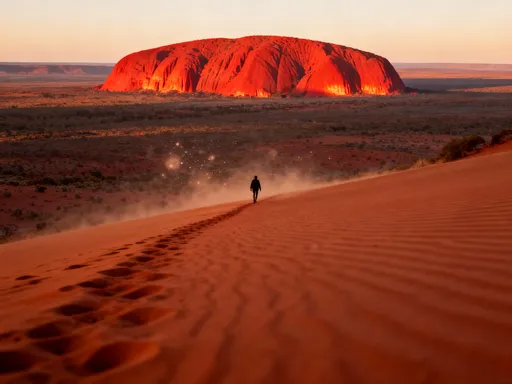
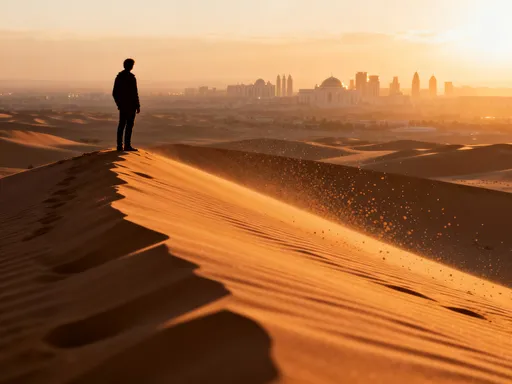
The authentic natural character of Turkmenistan begins just outside Ashgabat, where the Karakum Desert unfolds in all its vast, silent majesty. Covering over 70% of the country, the Karakum — meaning “black sand” in Turkmen — is a landscape of subtle beauty, shaped by wind, time, and extreme conditions. Here, the earth is cracked and pale, dotted with low shrubs and hardy grasses that cling to life in the arid soil. Rolling sand dunes rise and fall under an endless sky, their shapes shifting with the seasons. This is not the lush greenery many travelers expect, but for those willing to look closely, it offers a different kind of wonder — one rooted in resilience, stillness, and scale.
Day trips into the desert reveal a world far removed from the marble corridors of the capital. Along the roads leading south and east, the urban landscape gradually gives way to open terrain. Remote rest stops, often marked by a single café or fuel station, become gateways to quiet observation. Travelers can pause to watch the play of light across the dunes at sunrise or sunset, when shadows stretch long and the sand glows in warm hues. Dry riverbeds, known locally as wadis, cut through the landscape, remnants of ancient water flows. These areas, though seemingly barren, support specialized plant and animal life, including gazelles, desert foxes, and a variety of reptiles adapted to the heat.
Exploring the desert safely and meaningfully often requires local guidance or organized tours. Navigation can be challenging due to the lack of landmarks, and mobile networks are unreliable. Private vehicles equipped for off-road conditions are recommended, along with ample water, sun protection, and emergency supplies. Some tour operators offer guided excursions that include cultural elements, such as visits to traditional Turkmen settlements or storytelling sessions under the stars. These experiences enrich the journey, connecting natural exploration with human history and adaptation. For those seeking authenticity, the desert beyond Ashgabat offers not just scenery, but a deeper understanding of how life persists in one of the planet’s harshest environments.
Darvaza Gas Crater: Nature’s Power vs. Human Error
One of Turkmenistan’s most iconic destinations, the Darvaza Gas Crater — often called the “Door to Hell” — lies several hours north of Ashgabat in the heart of the Karakum Desert. This fiery pit, continuously burning since the 1970s, is a powerful and surreal sight. Flames leap from a 70-meter-wide crater, illuminating the surrounding desert at night, while heat shimmers rise during the day. The glow can be seen from miles away, creating an otherworldly atmosphere that draws photographers, adventurers, and curious travelers from around the globe. Yet, despite its dramatic appearance, the crater is not a natural phenomenon in the traditional sense, but the result of a human mistake amplified by nature’s response.
The site originated during a Soviet-era oil exploration mission when geologists drilling for gas encountered an unstable underground pocket. The ground collapsed, forming a large sinkhole. Fearing the release of toxic methane gas, the team decided to set the crater on fire, expecting the gas to burn off within weeks. Decades later, the flames still burn, sustained by a seemingly endless supply of natural gas beneath the desert floor. While the original intent was scientific and precautionary, the outcome has become a tourist attraction of global renown. Today, visitors can stand at the crater’s edge, feel the intense heat, and peer into the molten core below — an unforgettable experience that blurs the line between natural wonder and industrial accident.
However, the popularity of Darvaza raises important considerations. Some tour operators market it as a “natural marvel,” which can mislead travelers into thinking it is a geological formation rather than a man-made event. Additionally, the environmental impact of the continuous burning — including greenhouse gas emissions and local air quality concerns — has drawn criticism from scientists and conservationists. In recent years, there have been discussions about capping the crater, though no definitive action has been taken. For travelers, visiting Darvaza should be approached with awareness: it is a testament to both the power of nature and the unintended consequences of human intervention. It is not a pristine wilderness site, but it offers a unique opportunity to reflect on the complex relationship between people and the planet.
Hidden Natural Gems: Oases and Springs Within Reach
While much of Turkmenistan’s landscape is defined by aridity, the country harbors surprising pockets of life where water emerges from beneath the desert. Among the most remarkable is the Köw Ata Underground Lake, located about 130 kilometers west of Ashgabat. Nestled within a limestone cave system, this natural reservoir maintains a constant temperature year-round and is believed by locals to have healing properties. Visitors descend a series of steps into the cool, dimly lit cavern, where the still surface of the lake reflects the rock formations above. The air is humid, a stark contrast to the dry heat outside. Swimming is permitted in designated areas, and many travelers describe the experience as serene and almost sacred.
Another notable site is the Ashgabat Oasis, a green belt sustained by underground aquifers and ancient irrigation techniques. Though partially developed, the oasis retains elements of natural fertility, with date palms, wild herbs, and seasonal blooms thriving in the desert heat. It serves as a reminder that life has long found ways to adapt to this environment, long before modern infrastructure existed. These oases are not large by conventional standards, but their existence in such an inhospitable climate makes them all the more remarkable. They function as ecological refuges, supporting birdlife, insects, and plant species that would otherwise struggle to survive.
For those planning to visit these sites, timing and preparation are essential. The best seasons are spring (April to early June) and autumn (September to October), when temperatures are moderate and the risk of extreme heat is lower. Summer months can see temperatures exceed 45°C (113°F), making outdoor excursions dangerous without proper precautions. Transportation to these locations typically requires private vehicles or guided tours, as public transit options are limited and infrequent. Travelers should carry plenty of water, wear lightweight and breathable clothing, and use high-SPF sunscreen. A hat, sunglasses, and a reusable water bottle are also recommended. By planning carefully, visitors can safely experience these hidden natural treasures and gain a deeper appreciation for the delicate balance that sustains life in the desert.
Traveler Pitfalls: Common Mistakes When Seeking Nature
Many visitors to Ashgabat make the understandable mistake of assuming that natural attractions are easily accessible within or near the city. Some expect walkable trails, public parks with native flora, or short hikes into scenic hills. However, the reality is that most authentic natural experiences in Turkmenistan require significant travel, proper planning, and logistical support. One of the most common errors is underestimating distances. What may appear as a short drive on a map can take several hours due to road conditions, border checkpoints, or the need for permits in certain areas. Relying on public transportation for remote destinations is often impractical, as schedules are infrequent and routes are limited to major towns.
Another frequent oversight is inadequate preparation for the climate. The desert environment demands respect. Travelers who venture out without sufficient water, sun protection, or appropriate clothing risk dehydration, heat exhaustion, or sunstroke. Even short excursions can become hazardous if a vehicle breaks down or navigation fails. GPS devices and offline maps are essential, as mobile signals are unreliable outside urban centers. Additionally, some visitors fail to research permit requirements for certain regions, particularly those near international borders or protected areas. Without proper documentation, access may be denied, leading to wasted time and frustration.
Timing is another critical factor. While summer offers long daylight hours, it is also the most dangerous season for outdoor exploration. Midday temperatures can be life-threatening, and even early morning or late afternoon outings require caution. Spring and autumn provide the most favorable conditions, with milder temperatures and lower humidity. Planning trips during these seasons not only improves comfort but also increases the chances of observing wildlife, as many species are more active during cooler months. By avoiding these common mistakes, travelers can ensure a safer, more rewarding experience when seeking the natural heart of Turkmenistan.
Rethinking Natural Scenery: A New Perspective on Ashgabat
Visiting Ashgabat challenges conventional ideas of what constitutes “natural” beauty. The city’s marble grandeur may seem at odds with wilderness, but it exists in dialogue with the surrounding desert — a testament to human adaptation in an extreme environment. Rather than viewing the capital as a failed natural destination, travelers can appreciate it as part of a larger narrative about resilience, survival, and coexistence. The true wonder lies not in finding untouched landscapes within the city, but in recognizing how life and culture have evolved in response to one of the world’s most demanding climates.
The desert is not empty; it is full of subtle signs of life. The way a saxaul bush conserves water, how a lizard darts between rocks, or the sudden appearance of a spring in the middle of sand — these moments carry their own quiet majesty. For those willing to look beyond the surface, Turkmenistan offers a profound lesson in ecological balance and human ingenuity. The contrast between Ashgabat’s controlled urbanism and the untamed desert beyond creates a powerful juxtaposition, inviting reflection on our relationship with nature.
To explore this region mindfully is to set realistic expectations, embrace discomfort as part of the journey, and value authenticity over convenience. It means understanding that natural beauty does not always mean green forests or flowing rivers, but can also be found in the stillness of a dune, the glow of a crater, or the cool depths of an underground lake. By approaching travel with curiosity, respect, and preparation, visitors can move beyond misconceptions and discover a landscape that is as complex as it is captivating. The real wonder of Ashgabat is not what it appears to be, but what lies just beyond — waiting to be seen with new eyes.