Wandering Through the Mist: Killarney’s Viewpoints That Steal Your Breath
I’ll be honest — I didn’t expect Killarney to hit me so hard. Wandering without a map, I stumbled upon viewpoints where emerald valleys plunged into misty lakes and ancient mountains stood like silent guardians. This isn’t just scenery; it’s soul therapy. If you’ve ever wondered what it feels like to truly *see* nature, Killarney might just be the answer. Nestled in County Kerry, this corner of Ireland pulses with quiet majesty, where every turn reveals a vista that seems untouched by time. It’s a place that invites not just visitation, but deep presence — where the air smells of damp moss and pine, and the only sounds are the distant call of a bird or the soft lap of water against stone.
The Call of the Wild: Why Killarney?
Killarney National Park is one of Ireland’s most treasured natural landscapes, a sprawling sanctuary that spans over 100 square kilometers of lakes, woodlands, and rugged mountain terrain. Established in 1932, it was the country’s first national park, a testament to the enduring value placed on preserving wild spaces. What sets Killarney apart is not just its beauty, but its remarkable diversity — within a single day’s walk, one can pass through centuries-old oak forests, skirt the edges of shimmering lakes, and gaze up at peaks shaped by glacial forces over millennia. The interplay between water and land creates a dynamic visual rhythm, where reflections ripple across still surfaces and mountains emerge like ghosts from morning fog.
Yet the true magic of Killarney lies not in ticking off landmarks, but in allowing oneself to wander without rigid expectations. While guided tours and marked routes have their place, the most profound moments often come when the path bends unexpectedly, leading to a clearing where no other footfall is heard. Spontaneity fosters intimacy with the landscape — a sudden deer crossing the trail, sunlight breaking through clouds to gild a distant ridge, or the quiet hush that falls when rain begins to patter on broad beech leaves. These are not experiences that can be scheduled, but they are precisely what make Killarney unforgettable.
The region’s geography naturally lends itself to countless vantage points. Surrounded by the MacGillycuddy’s Reeks to the south and the Purple Mountains to the east, the park cradles three major lakes — Lough Leane, Muckross Lake, and the Upper Lake — each offering distinct perspectives. Because the terrain rises and falls so dramatically, even gentle walks can culminate in sweeping panoramas. It’s no wonder that artists, poets, and travelers have long been drawn here; the land speaks in a language older than words, one that resonates most clearly when listened to with patience and openness.
Starting at Muckross: Where Paths Begin
For many visitors, the journey into Killarney’s heart begins at Muckross Estate, a historic mansion set against the backdrop of Muckross Lake. While the house itself offers a glimpse into 19th-century aristocratic life, it is the surrounding grounds that truly captivate. From here, a network of well-maintained trails weaves through native oak and yew woodlands, offering access to some of the park’s most iconic views. These paths are neither too steep nor too long, making them ideal for families and those seeking a gentle immersion into nature.
One of the most rewarding routes leads from the estate toward the base of Torc Waterfall. As the trail follows the course of the River Ra, the sound of rushing water grows louder, building anticipation. Then, suddenly, the trees part, and the waterfall comes into view — a powerful cascade tumbling over moss-covered rocks, surrounded by ferns and damp stone. A viewing platform allows for a safe and clear perspective, but those willing to venture a little further along the side paths may find quieter spots where the mist kisses the skin and the roar of water fills the ears completely.
Equally striking are the hidden clearings that open unexpectedly along the lakeshore. On calm mornings, Muckross Lake mirrors the sky so perfectly that it becomes difficult to tell where water ends and air begins. These moments of reflection — literal and metaphorical — invite stillness. A bench placed thoughtfully beneath an ancient holly tree, a small stone bridge arching over a quiet inlet, or the sudden glimpse of swans gliding across the surface — each detail contributes to a sense of serenity that few places can offer. It’s here that one begins to understand how nature, when left undisturbed, creates its own kind of sanctuary.
Torc Mountain: The Climb That Changes Everything
For those seeking a more active engagement with the landscape, the ascent of Torc Mountain offers one of the most rewarding hikes in the region. Standing at 535 meters, Torc is not the tallest peak in the area, but its vantage point is unparalleled. The trail begins just off the N71 road, a short distance from Muckross, and winds upward through dense woodland before emerging onto open slopes. While the full loop takes about two to three hours, the journey is as transformative as the destination.
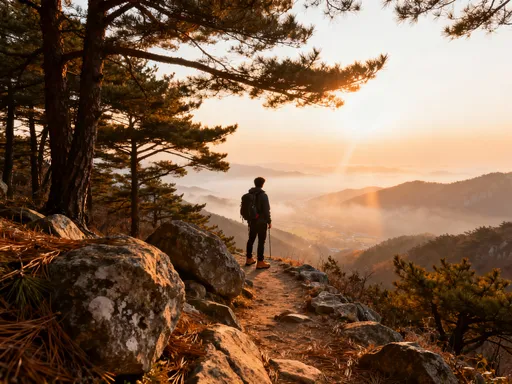
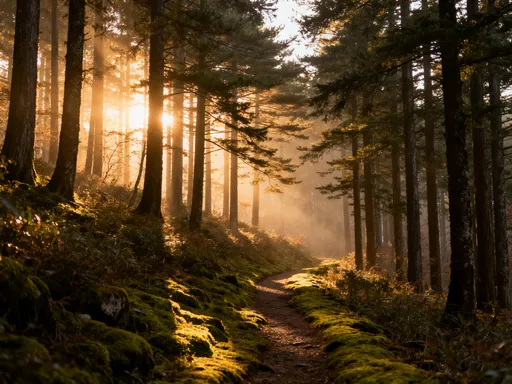
The lower section of the path is shaded by centuries-old trees, their roots twisting across the trail like natural sculptures. Stone steps, worn smooth by countless footsteps, guide the way upward. Birdsong echoes through the canopy, and if one moves quietly, it’s possible to spot woodpeckers drumming or squirrels darting between branches. As the elevation increases, the forest thins, revealing glimpses of the lakes below. The air grows cooler, crisper, carrying the scent of heather and damp earth.
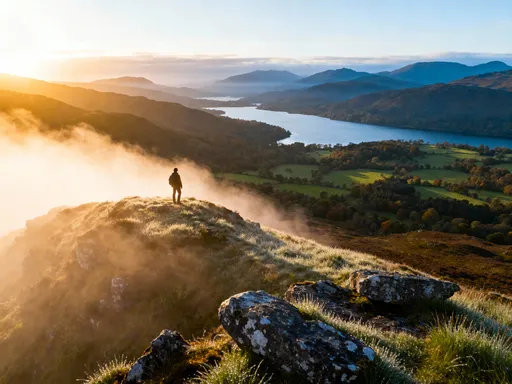
Then, at last, the summit opens up — and the world unfolds in every direction. From this height, the patchwork of Killarney’s landscape becomes clear: Lough Leane stretches like a silver ribbon to the north, dotted with small islands that hint at ancient monastic settlements. Muckross Lake shimmers in the middle distance, framed by the dark shoulders of the Purple Mountains. To the south, the jagged line of the MacGillycuddy’s Reeks rises into the sky, their peaks often veiled in mist. On a clear day, the view extends all the way to the Atlantic coast, a reminder of how close the wild ocean remains.
What makes this vista so powerful is not just its beauty, but the sense of perspective it offers. From below, the land can feel overwhelming, a tangle of forest and water with no clear order. But from above, patterns emerge — the way rivers carve through valleys, how lakes nestle into glacial basins, and how human settlements cling respectfully to the edges of the wild. It’s a humbling experience, one that reminds the viewer of both the grandeur of nature and the small, fleeting place we occupy within it.
Lakeside Wanderings: Reflections on the Water
Not every meaningful experience in Killarney requires a climb. Some of the most profound moments come from simply walking along the water’s edge, where the rhythm of the waves sets the pace and the mind begins to quiet. The shores of Lough Leane and the Lower Lake offer a network of flat, accessible paths that wind through reed beds, past old stone jetties, and under the shade of willow trees. These routes are perfect for early morning strolls or late afternoon reflections, when the light softens and the world seems to pause.
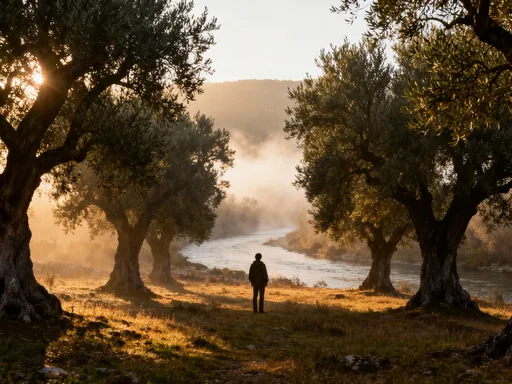
One of the most magical times to walk these shores is at dawn, when the lake surface is often still as glass. Mist hovers just above the water, curling in delicate tendrils before dissolving into the rising sun. In these moments, the landscape feels suspended between dream and reality. Ducks stir in the reeds, their wakes creating perfect V-shaped ripples. A heron may stand motionless on a half-submerged log, waiting for its next meal. There is a kind of poetry in these quiet scenes — not loud or dramatic, but deeply grounding.
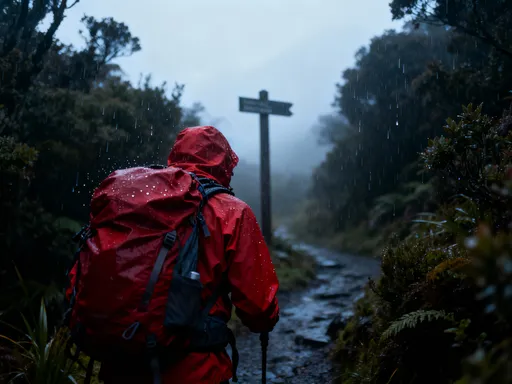
By late afternoon, the mood shifts. Clouds gather over the mountains, casting long shadows across the water. The colors deepen — the green of the hills turns almost blue, and the surface of the lake takes on a silvery-gray tone. Rain may fall in soft sheets, drumming on umbrella fabric or slicking the path with dew. Yet even in this moody weather, there is beauty. The world feels more intimate, more protected. Benches placed at intervals along the trail invite rest, offering a chance to sit and simply be. For many visitors, these quiet pauses become the most memorable parts of their journey — not because of what they see, but because of how they feel.
Hidden Corners: Off-the-Beaten-Path Perspectives
While the main trails of Killarney are well traveled — and rightly so — some of the most special moments come from stepping slightly off the marked paths. These are not dangerous detours, but small footpaths that branch away from the main routes, often known more to locals than to tourists. They lead to quiet inlets where rowboats are moored, to forest clearings where sunlight dapples the mossy ground, or to rocky outcrops that offer a private view of the Upper Lake.
These hidden viewpoints do not have names on maps, nor should they. Their value lies in the sense of discovery they evoke — the crunch of gravel underfoot, the sudden opening of a vista, the realization that for this moment, one is completely alone with the landscape. It’s easy to imagine how, centuries ago, monks or shepherds might have paused in these same spots, gazing out over the same waters, feeling the same quiet awe.
One such spot might be found along a narrow trail that follows an old stone wall, half swallowed by ivy. After a gentle climb, the path opens to a small plateau where the view of the Upper Lake unfolds in silence. There are no railings, no signs — just nature in its unfiltered form. Another might be a bend in the road where a single oak tree stands sentinel over a quiet cove, its branches twisted by years of wind. These places are not grand in the way of postcard vistas, but they carry a different kind of power — intimate, personal, and deeply felt.
Exploring these quieter corners requires nothing more than curiosity and a willingness to slow down. There is no need for special gear or expert knowledge. A comfortable pair of walking shoes, a light jacket, and an open mind are all that’s needed. And while it’s always wise to remain aware of one’s surroundings, especially in changing weather, the park is generally safe and well-marked. The reward is not just a new view, but a renewed sense of connection — to the land, to the moment, and to oneself.
The Language of Landscapes: Reading Nature’s Signs
To walk through Killarney is to learn a new kind of literacy — one written not in letters, but in light, sound, and movement. The landscape communicates in subtle ways, offering clues to those who know how to look. Early risers may notice the presence of deer at the forest edge, their ears twitching as they graze on dew-covered grass. These sightings are fleeting, but they speak to the quiet coexistence between humans and wildlife that defines the park.
Birdlife, too, tells a story. The cry of a raven echoing from the cliffs, the flash of a kingfisher darting over the water, or the soft cooing of wood pigeons in the treetops — each sound adds texture to the experience. Seasonal changes bring different visitors: migratory birds in spring, swallows skimming the lake surface in summer, and the haunting call of geese flying south in autumn. Learning to recognize these patterns deepens one’s appreciation, turning a simple walk into a living lesson in ecology and rhythm.
Even the weather plays a role in this quiet dialogue. Cloud formations over the MacGillycuddy’s Reeks can signal approaching rain, while a sudden clearing in the east may promise a golden afternoon. The way light falls across the water at different times of day alters the mood entirely — morning brings clarity, midday offers brilliance, and evening wraps the world in soft gold and violet. These are not facts to be memorized, but sensations to be absorbed.
The beauty of this kind of awareness is that it requires no technology. There is no need for apps or audio guides. Instead, it asks only for attention — for the willingness to look up from a phone, to pause in the middle of a path, and to listen. In doing so, one begins to see not just *what* is around, but *how* it fits together — how water shapes land, how life adapts to seasons, and how beauty emerges from balance.
Leaving With More Than Photos: The Lasting Impact of Viewpoints
By the time a visitor leaves Killarney, they carry more than souvenirs or snapshots. They carry moments — the feeling of cool mountain air on the face, the sound of water echoing in a stone canyon, the sudden hush that falls when sunlight breaks through clouds. These impressions linger, surfacing later in quiet moments: during a busy day at home, while folding laundry, or lying awake at night. They serve as gentle reminders of a deeper pace, a different way of being.
There is something almost sacred about standing in a place where few pause — not because it’s inaccessible, but because most are too hurried to notice. In those still moments, the mind quiets. Worries that once felt overwhelming begin to shrink in perspective. The simple act of witnessing beauty — real, unfiltered, and untamed — has a way of recalibrating the soul. It doesn’t solve problems, but it changes how we see them.
This is the true gift of Killarney’s viewpoints: they are not just scenic stops, but spaces for reflection. They invite us to slow down, to breathe, and to remember that we are part of something much larger. In a world that often feels loud and fragmented, such places offer coherence. They remind us that wonder is still possible, that awe is within reach, and that sometimes, the best way forward is simply to stand still and look.
So if you go to Killarney — whether for a day or a week — do more than follow the map. Wander with intention. Pause without purpose. Let the land speak. Because in the end, the best views aren’t found in guidebooks. They’re found in the quiet moments between steps, in the breath before a sunrise, and in the heart long after the journey ends.