You Won’t Believe How Kolkata Comes Alive During Festival Season
If you've ever wondered what pure cultural energy feels like, come to Kolkata during festival season. The city doesn’t just celebrate—it transforms. From the thunderous beats of Durga Puja drums to neighborhoods glowing with handmade lights, every street pulses with joy and devotion. I’ve traveled across India, but nothing compares to the emotional rush of seeing thousands united in celebration. This is more than tourism—it’s a soul-stirring experience you have to feel to believe.
The Heartbeat of Kolkata: Festivals as Cultural Expression
Kolkata is a city where culture is not preserved behind glass but lived in the streets, spoken in poetry, and celebrated through rhythm and color. Festivals are not isolated events here—they are the very rhythm of life. They represent the soul of Bengali identity, a blend of deep spirituality, artistic excellence, and community solidarity. Unlike in many other Indian cities where religious observance may remain private or temple-centered, in Kolkata, faith spills into the public sphere in the most vibrant and inclusive way. Each festival becomes a shared narrative, a collective story told through music, art, and devotion.
The cultural significance of these celebrations runs far deeper than religious ritual. They are milestones in the annual emotional calendar of the city’s residents. For many families, preparing for Durga Puja is as important as preparing for a wedding—months of planning, collaboration, and anticipation go into making each celebration meaningful. Artisans, designers, musicians, and volunteers come together across neighborhoods, turning local puja committees into powerful engines of creativity and unity. The city becomes a living gallery, where every street corner reveals hand-painted murals, intricate light installations, and symbolic sculptures that reflect both ancient mythology and contemporary themes.
What sets Kolkata apart is the way its festivals honor tradition while embracing innovation. You’ll find pandals inspired by Mughal architecture standing beside ones modeled after climate change awareness campaigns. This duality—reverence for the past and openness to the present—defines the city’s spirit. Festivals become platforms for social dialogue, artistic experimentation, and community pride. For visitors, this means encountering not just religious observance, but a dynamic cultural ecosystem where every element—from food to fashion to public art—comes alive with purpose and passion.
Durga Puja: The City’s Grandest Celebration
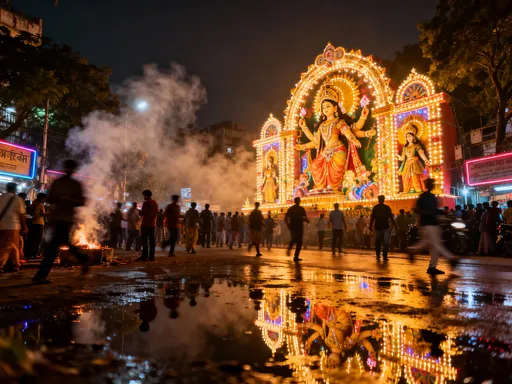
Durga Puja is not merely a festival in Kolkata—it is an urban phenomenon. Lasting five days, typically in September or October depending on the lunar calendar, it transforms the entire city into a festival ground. The air hums with energy, streets are closed for processions, and millions of people move from one pandal to another in a ritual known as pujo hopping. This is the city’s cultural peak, drawing visitors from across India and abroad who come to witness what many regard as one of the most spectacular public celebrations in the world.
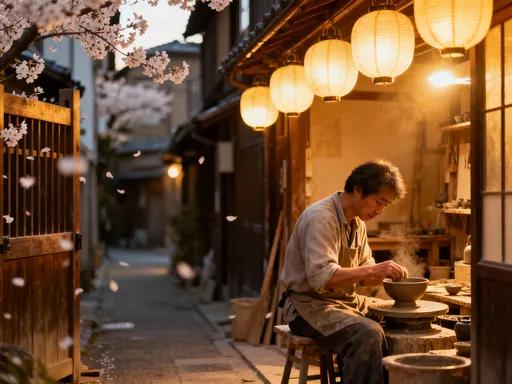
The centerpiece of Durga Puja is the elaborately crafted idol of Goddess Durga, depicted in the moment she defeats the buffalo demon Mahishasura. These idols are not mass-produced; they are hand-sculpted by skilled artisans in Kumartuli, a historic neighborhood in North Kolkata known for its centuries-old tradition of clay modeling. The potters, or kumbhakars, work for months in narrow alley studios, shaping the goddess and her divine family—Lakshmi, Saraswati, Ganesha, and Kartik—from clay, straw, and bamboo. Their work is both sacred and artistic, requiring deep knowledge of iconography and an eye for detail.
Once completed, the idols are transported to thousands of pandals across the city. These temporary structures range from simple bamboo shelters to grand architectural recreations of temples, palaces, and even global landmarks. Each neighborhood strives to outdo the other in creativity and craftsmanship. Some pandals are themed around social issues like environmental conservation or women’s empowerment, while others pay tribute to legendary artists or historical moments. The competition is fierce, but the spirit is celebratory—everyone wins when art and devotion come together so powerfully.
At night, the city becomes a dreamscape. Pandals are illuminated with millions of LED lights, projections dance across walls, and the sound of conch shells and devotional songs fills the air. The aarti, a ritual of light and song performed at dusk, draws crowds into a shared moment of reverence. The scent of marigolds, sandalwood, and incense blends with the aroma of street food—luchi, cholar dal, and mishti doi—creating a sensory experience that lingers long after the festival ends. On the final day, Vijaya Dashami, the idols are carried in grand processions to the Hooghly River for immersion, a moving spectacle of music, tears, and celebration as the goddess returns to her celestial home.
Beyond Durga Puja: Other Key Festival Experiences
While Durga Puja is the crown jewel of Kolkata’s festival calendar, it is far from the only reason to visit. The city’s spiritual and cultural rhythm continues throughout the year, with other festivals offering equally rich and varied experiences. Diwali, the Festival of Lights, may be celebrated more intensely elsewhere in India, but in Kolkata, it has a quieter, more introspective charm. In neighborhoods like Shobhabazar and Jorasanko, homes are lit with earthen lamps, families gather for Lakshmi Puja, and the night is marked by the soft glow of candles rather than loud fireworks. It’s a time for gratitude, family, and renewal—a gentle pause in the city’s otherwise fast pace.
Kali Puja, which often coincides with Diwali, offers a stark contrast. Dedicated to the fierce goddess Kali, this festival is celebrated with intensity, especially in South Kolkata. Temples like the Dakshineswar Kali Temple and Kalighat attract thousands of devotees who come to offer prayers at midnight, when the main rituals take place. The atmosphere is electric—drums beat relentlessly, flames rise from large pyres, and the air is thick with devotion. Unlike the colorful joy of Durga Puja, Kali Puja carries a more solemn energy, reflecting the goddess’s role as a destroyer of evil and protector of the righteous.
Saraswati Puja, dedicated to the goddess of knowledge and music, brings a different kind of energy altogether. Celebrated in late winter, it is especially popular among students and artists. Schools, colleges, and music academies host pujas where young people dress in white, sing devotional songs, and offer books and instruments at the goddess’s feet. It’s a celebration of learning and creativity, often accompanied by cultural programs featuring classical dance, poetry recitals, and music performances. For families, it’s a day to bless children beginning their education, making it both a spiritual and emotional milestone.
Each of these festivals offers a unique window into Kolkata’s layered identity. Together, they reveal a city that honors multiple dimensions of life—devotion, knowledge, prosperity, and power—through public celebration. For the traveler, this means that no matter when you visit, there’s likely a festival underway that invites you to participate, observe, and connect.
What Makes Kolkata’s Festivals Unique?
Many Indian cities celebrate festivals with great enthusiasm, but Kolkata stands apart in the depth of its cultural integration and the scale of its creative expression. What makes the city’s festival culture truly unique is the way it blends devotion with artistry, community with innovation. While in other cities, religious festivals may focus primarily on ritual and worship, in Kolkata, they become multidimensional events that engage every sense and every segment of society.
One of the most striking aspects is the emphasis on design and storytelling. Pandals are not just places of worship—they are immersive experiences. You might walk into a pandal shaped like an ancient Bengali courtyard, only to find the walls covered in hand-painted scrolls depicting climate change. Another might recreate a famous film set, while a third uses recycled materials to build an entire temple dedicated to environmental awareness. This fusion of tradition and modernity allows festivals to remain relevant across generations, appealing to both elders who cherish ritual and youth who value creativity and social consciousness.
The role of the community is also unparalleled. In Kolkata, organizing a puja is a neighborhood affair. Local committees raise funds, assign roles, and coordinate logistics months in advance. Young people volunteer as decorators, sound engineers, or event managers. Artists donate their time. Elderly residents share stories and rituals with the next generation. This collective effort strengthens social bonds and ensures that festivals remain deeply rooted in local life, rather than becoming commercialized spectacles.
Another distinguishing feature is the city’s embrace of sustainability. In recent years, there has been a strong movement toward eco-friendly pujas—using biodegradable idols made from natural clay, avoiding plastic decorations, and incorporating solar lighting. Some communities have even started nude pujas, where no non-essential decorations are used, returning the focus to spiritual essence rather than visual grandeur. These efforts reflect a growing awareness and responsibility, showing that tradition can evolve without losing its soul.
Planning Your Visit: When and Where to Go
For travelers hoping to experience Kolkata’s festival magic, timing is everything. The peak season runs from September to November, with Durga Puja at its heart. The exact dates vary each year based on the lunar calendar, so it’s essential to check in advance. Outside of this window, Diwali (usually in October or November) and Kali Puja (same period) offer compelling alternatives, while Saraswati Puja in January or February provides a quieter but equally meaningful experience.
When choosing where to stay, consider neighborhoods that are both culturally rich and well-connected. North Kolkata, especially areas like Kumartuli, Shobhabazar, and Jorasanko, offers an authentic glimpse into the city’s heritage. Staying in a heritage guesthouse or boutique hotel here allows you to be close to major pujas and immerse yourself in local life. South Kolkata, particularly around Ballygunge, Gariahat, and Kalighat, is another excellent option, with modern amenities and easy access to large, artistically significant pandals.
Transportation in Kolkata during festival season can be challenging due to road closures and heavy foot traffic. The metro is the most reliable option—clean, efficient, and well-connected to key areas. App-based ride services like Uber and Ola operate widely and are convenient for short trips. However, the best way to experience the festivals is on foot. Join a guided walking tour or simply wander through decorated lanes, allowing yourself to be drawn into the rhythm of the celebration. Early mornings and late evenings are ideal times to explore, when the light is soft and the crowds are smaller.
Accommodation should be booked several months in advance, especially during Durga Puja, as hotels fill up quickly. Look for places that offer cultural programs or festival viewings from their rooftops or terraces. Some heritage properties even host small pujas for guests, providing a more intimate experience. Regardless of where you stay, prioritize proximity to cultural hubs and ease of movement—your comfort and access will greatly enhance your experience.
Immersive Experiences for Travelers
To truly understand Kolkata’s festival spirit, participation is key. While observing is valuable, engaging in the celebration creates lasting memories and deeper connections. One of the most meaningful ways to do this is by joining a community puja. Many neighborhood committees welcome visitors, especially if you approach with respect and curiosity. Dress modestly—light cotton clothes in white or pastel shades are appropriate—and remove your shoes before entering a pandal. Greet the organizers with a simple namaskar, and don’t hesitate to ask questions if invited to participate in rituals.
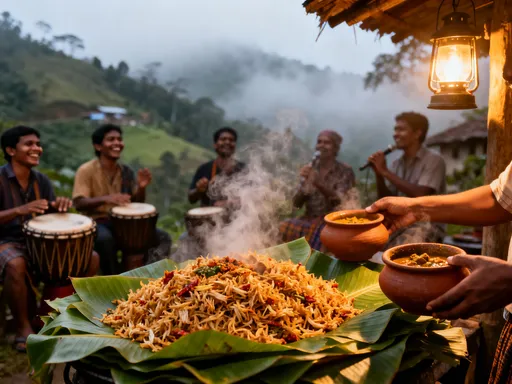
Food is another essential part of the experience. Festival season brings out the best of Bengali cuisine. Try luchi (deep-fried flatbread) with alur dom (spiced potato curry), or sample sweets like rosogolla, mishti doi (sweet yogurt), and payesh (rice pudding). Street vendors and home-run stalls offer these delicacies at puja sites, often prepared fresh throughout the day. If you’re invited to a family home, accept with gratitude—sharing food during festivals is a gesture of warmth and inclusion.
Cultural performances are held nightly across the city. From classical Rabindra Sangeet to folk dances and drama, these events showcase Bengal’s artistic legacy. Check local listings or ask hotel staff for schedules. Attending a performance not only supports local artists but also deepens your appreciation of the cultural context behind the festivals. Some pujas even host poetry readings or book fairs, reflecting Kolkata’s identity as the “city of literature.”
For a more structured experience, consider booking a guided evening walk through festival-lit neighborhoods. Knowledgeable local guides can explain symbolism, introduce you to artisans, and help you navigate respectfully. Photography is welcome in most places, but always ask permission before capturing rituals or individuals, especially during prayer. The goal is to honor the moment, not just document it.
Why Festival Travel Matters: A Deeper Connection
Traveling to experience festivals like those in Kolkata offers something that conventional tourism often misses—a chance to connect with a culture on a human level. Sightseeing lets you see monuments; festival travel lets you feel a people’s heartbeat. It invites you to step beyond the role of observer and become, even briefly, part of a shared story. In an age where travel can sometimes feel transactional, these experiences restore a sense of wonder, humility, and connection.
Festival travel fosters genuine cultural understanding. It teaches you to appreciate not just the beauty of a ritual, but the months of preparation, the community effort, and the emotional weight behind it. You begin to see religion not as dogma, but as a living, evolving expression of identity, art, and belonging. In Kolkata, where festivals are both sacred and creative, this lesson is especially powerful.
Moreover, such journeys encourage mindfulness. Participating in a quiet aarti, tasting food prepared with devotion, or listening to ancient songs sung in a crowded lane—all of these moments pull you into the present. They remind you to slow down, to listen, to be grateful. For many travelers, especially women in their 30s to 50s who seek meaningful, enriching experiences, this kind of travel offers renewal and inspiration.
Kolkata, with its unwavering commitment to tradition, creativity, and community, stands as a model of how festivals can elevate both a city and its visitors. It doesn’t just welcome you—it invites you to feel, to reflect, to celebrate. And in doing so, it offers not just memories, but transformation. If you’re ready to move beyond the surface of travel, to experience culture in its fullest, most vibrant form, then there is no better place, and no better time, than festival season in Kolkata.