Wandering Through Sardinia’s Urban Soul: Where Stone Streets Breathe History
You know that feeling when a city just speaks to you? Sardinia’s urban spaces aren’t about flashy landmarks—they’re raw, real, and alive. I wandered through sun-bleached alleyways, stumbled upon quiet courtyards, and felt time slow down. This isn’t just travel—it’s connection. The island’s towns hold secrets in their cobblestones, and every turn tells a story older than words. Unlike destinations built for spectacle, Sardinia’s cities invite intimacy. They reward slowness, curiosity, and a willingness to listen. Here, history isn’t locked behind glass; it’s in the rhythm of daily life, the scent of baking bread at dawn, the echo of footsteps on ancient stone. To walk these streets is to step into a living narrative shaped by millennia of resilience, adaptation, and quiet pride.
The Pulse of Sardinian Cities: More Than Just Stops on a Map
Sardinia is often celebrated for its turquoise coves and powdery beaches, but its true soul pulses within the walls of its historic towns. While tourists flock to the coast, those who venture into the island’s urban centers discover a different kind of beauty—one that unfolds gradually, in the quiet corners of piazzas, the texture of weathered facades, and the unhurried pace of local life. Cagliari, Alghero, and Sassari are not mere waypoints; they are cultural anchors, each preserving layers of identity forged through centuries of migration, conquest, and coexistence. These cities are modest in size but rich in presence, where the human scale makes exploration intuitive and deeply personal.
What sets Sardinia’s urban landscape apart is its authenticity. Unlike the meticulously restored old towns of other Mediterranean destinations, these places have not been polished for tourism. They are lived-in, evolving, and proudly imperfect. The streets follow organic patterns shaped by necessity rather than grand urban planning—narrow alleys that twist to catch sea breezes or shield from the midday sun, staircases worn smooth by generations of footsteps, and courtyards hidden behind heavy wooden doors that hint at private lives unfolding just out of view. This is not a museum; it’s a continuation.
The architectural language reflects a complex past. In Cagliari, you’ll see Roman columns embedded in medieval walls, Spanish fortifications looming over Punic foundations, and Art Nouveau balconies leaning over cobblestone lanes. In Alghero, the influence of Catalan rule is unmistakable in the honey-colored stone and arched passageways. Sassari blends neoclassical grandeur with rustic charm, its wide piazzas giving way to intimate alleyways lined with family-run shops. Each city tells a different chapter of Sardinia’s story, yet all share a common thread: a deep respect for tradition, a quiet dignity, and a rhythm that resists the rush of modern life.
Walking through these towns, one begins to understand that urban life in Sardinia is not about spectacle but sustenance. The piazza is not just a scenic backdrop—it’s where neighbors meet, children play, and elders gather for their evening stroll. The market is not a tourist attraction but a vital hub where locals buy fresh fish, seasonal vegetables, and handmade cheese wrapped in parchment. These routines are not performed for visitors; they are the fabric of daily existence. To experience them is to witness a culture that values continuity, community, and the simple act of being present.
Cagliari: A Layered Capital Rising from the Sea
Perched on a series of limestone cliffs overlooking the sweeping curve of the Golfo degli Angeli, Cagliari stands as a testament to resilience and layered history. The city rises in terraces from the sea, each level revealing a different era of its past. At its crown is the Castello district, a fortified medieval quarter that once served as the political and religious heart of the city. Accessible via a steep cobbled ramp, this elevated enclave offers panoramic views of the surrounding coastline and the modern city below. Within its walls, time feels suspended—narrow lanes lead to quiet courtyards, ancient churches with weathered facades, and the imposing bastions of Saint Remy, a Spanish-era fortress that now hosts cultural events and open-air concerts.
The National Archaeological Museum, housed in a grand 19th-century building within Castello, is a must-visit for anyone seeking to understand Sardinia’s deep roots. Its collection includes some of the most significant Nuragic artifacts in the world, including the famed bronzetti—small bronze figurines depicting warriors, priests, and animals, crafted over 3,000 years ago. These silent figures offer a glimpse into a civilization that once dominated the island, building towering stone nuraghi and navigating the Mediterranean seas. The museum does not merely display relics; it tells a story of continuity, showing how ancient traditions echo in modern Sardinian identity.
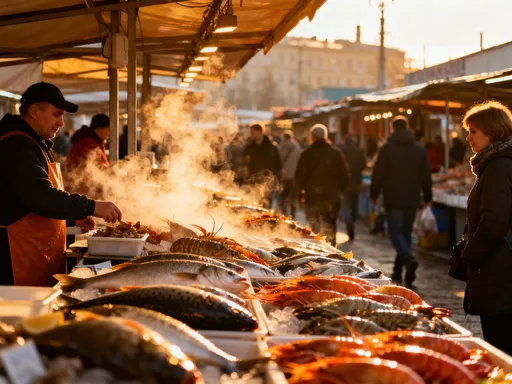
Descending from Castello, the city unfolds in distinct neighborhoods, each with its own character. The Marina district, nestled at the base of the hill, is a working port area where fishing boats still unload their morning catch. Nets hang to dry in the sun, and the scent of salt and grilled seafood fills the air. Open-air markets buzz with activity, vendors calling out prices for plump olives, ripe tomatoes, and baskets of mussels. Cafes spill onto shaded sidewalks, where locals sip espresso and exchange news in rapid Sardinian dialect. This is not a sanitized tourist zone—it’s a place of real life, where the sea remains central to the community’s rhythm.
Further afield, the Stampace neighborhood charms with its pastel-colored homes, iron-railed balconies, and quiet plazas shaded by palm trees. It’s a favorite among artists and creatives, its streets dotted with small galleries and independent boutiques. Villanova, another historic quarter, pulses with energy, its narrow lanes lined with bakeries, wine bars, and family-run trattorias. Here, the pace slows just enough to allow for lingering—over a glass of Cannonau wine, a plate of culurgiones (Sardinia’s answer to ravioli), or a simple conversation with a shopkeeper who remembers your name.
Cagliari’s beauty lies in its contrasts: the ancient and the modern, the grand and the humble, the bustling and the serene. It’s a city that doesn’t shout but whispers, revealing its secrets only to those who take the time to wander, observe, and listen. To walk its streets is to trace the contours of a place shaped by the sea, the sun, and the steady passage of time.
Alghero: A Catalan Whisper in an Italian Island
Tucked along the northwest coast of Sardinia, Alghero offers a unique cultural blend that sets it apart from the rest of the island. Founded by the Genoese in the 12th century and later ruled by the Aragonese for over four centuries, the city retains a strong Catalan identity that permeates its language, cuisine, and architecture. Walking through its old town feels like stepping into a Mediterranean crossroads, where Italian elegance meets Iberian warmth. The honey-toned stone walls, still largely intact, encircle a maze of narrow streets and sun-dappled plazas, creating a sense of enclosure and intimacy that is both comforting and enchanting.
One of the most striking aspects of Alghero is the presence of the Catalan language. Street signs appear in both Italian and Catalan, and it’s not uncommon to hear locals conversing in this Romance tongue, a living remnant of the city’s past. This linguistic endurance is more than a curiosity—it’s a symbol of cultural pride. Families pass down traditions, songs, and recipes in Catalan, ensuring that the heritage remains vibrant. During festivals such as Sant Joan in June, the city erupts in celebration with bonfires, traditional dances, and processions that blend Catholic ritual with Catalan folklore. The atmosphere is joyful, communal, and deeply rooted in place.
The city’s culinary identity is equally distinctive. Saffron, locally grown and highly prized, infuses many dishes, including fregola—a toasted semolina pasta often served with clams, mussels, or lobster in a rich tomato broth. Seafood is central to Alghero’s cuisine, a reflection of its coastal location. At family-run restaurants tucked into quiet alleys, you might find grilled octopus, bottarga (cured fish roe), or lobster caught just hours before. Meals are leisurely, served with crisp Vermentino wine and accompanied by warm, crusty bread. The experience is not about fine dining but about connection—between people, place, and tradition.
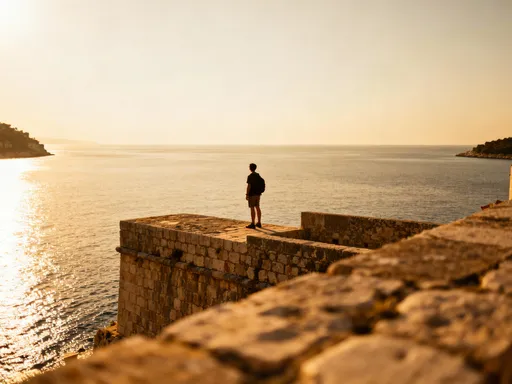
Alghero’s walls invite exploration. A leisurely walk along the ramparts offers sweeping views of the Mediterranean, where the sea shifts from deep blue to turquoise depending on the light. At golden hour, the stone glows amber, and the breeze carries the scent of wild thyme and rosemary from the surrounding maquis. Locals gather in Piazza Civica for the evening passeggiata, a ritual stroll that doubles as social time. Children chase each other around the fountain, couples linger over gelato, and elders sit on benches, observing the world go by. There’s a sense of ease here, a rhythm that resists hurry.
Shopping in Alghero reflects its artisanal spirit. Small botteghe line the streets, selling handmade coral jewelry—a craft introduced during Catalan rule—alongside lace, ceramics, and woven textiles. Coral, once harvested from the nearby reefs, is still prized for its deep red hue and symbolic meaning. While modern regulations protect marine life, the tradition lives on through sustainable practices and family workshops. These shops are not tourist traps; many are run by third- or fourth-generation artisans who take pride in their work. A simple exchange—a smile, a greeting in Catalan—can turn a purchase into a moment of human connection.
Sassari: The Island’s Quiet Intellectual
Often overshadowed by its more famous neighbors, Sassari is Sardinia’s second-largest city and a quiet powerhouse of culture and tradition. Located in the northwest interior, it lacks the coastal drama of Cagliari or the Catalan flair of Alghero, but it compensates with depth, dignity, and a scholarly air. As home to one of the island’s oldest universities, Sassari blends academic energy with deep-rooted customs, creating a unique urban atmosphere that is both reflective and vibrant. It’s a city that doesn’t seek attention but rewards those who take the time to understand it.
The heart of Sassari is Piazza d’Italia, a grand neoclassical square that exudes elegance and order. Surrounded by symmetrical buildings with arched colonnades and crowned by a majestic fountain, the piazza feels more mainland Italian than Sardinian—yet it is distinctly local in its use. Locals gather here at all hours, not for sightseeing but for living. Students sip coffee between classes, families stroll after dinner, and musicians occasionally perform under the porticoes. The square is not a stage but a stage for life, a space where the community converges naturally.
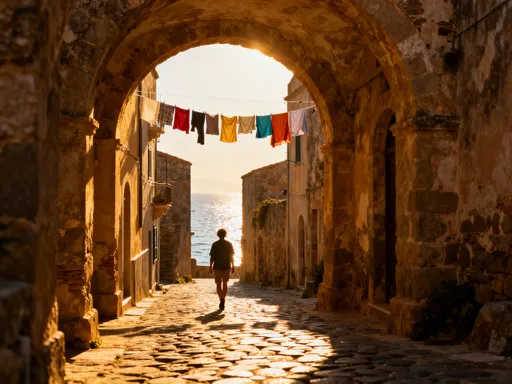
Just beyond the piazza, the historic center reveals a different side of the city. Here, the streets narrow, the buildings age, and the pace slows. The district of San Pietro, with its labyrinth of alleys and hidden courtyards, feels centuries removed from the modern world. Washing hangs between balconies, cats nap in sunlit doorways, and the scent of rosemary drifts from open windows. This is a neighborhood of quiet resilience, where families have lived for generations and change comes gently, if at all.
Sassari comes alive during its festivals, none more important than the Cavalcata Sarda, held every May. This grand parade celebrates Sardinian culture through traditional dress, music, and horsemanship. Men and women from across the island gather in Sassari, wearing elaborate embroidered costumes that signify their hometowns. The streets fill with color, rhythm, and pride as dancers move to the beat of launeddas, ancient triple-pipe instruments unique to Sardinia. The event is not staged for tourists; it is a heartfelt expression of identity, a living tradition passed down through families and communities.
Daily life in Sassari unfolds with a sense of routine and respect. Bakeries open before dawn, filling the air with the scent of pane carasau, the crisp, paper-thin flatbread that has fed Sardinians for centuries. Cafés serve espresso with precision and warmth, and shops close during the midday siesta, a practice that honors the body’s need for rest. The university adds a layer of youthful energy, with students debating in piazzas, studying in quiet gardens, and bringing new ideas into an old city. Yet modernity does not erase tradition; it coexists with it, creating a balance that feels both natural and intentional.
Wandering through Sassari is an exercise in discovery. There are no grand monuments demanding attention, but rather small moments of beauty: a mural hidden in an alley, a sudden glimpse of the countryside beyond the rooftops, the sound of a lullaby drifting from an open window. The city does not impress with scale but with substance. It invites contemplation, observation, and a slower way of seeing. For travelers who prefer depth over dazzle, Sassari offers a rare gift—a place where the soul of Sardinia breathes quietly but clearly.
The Art of Urban Wandering: Slowing Down to See More
In a world that glorifies efficiency and productivity, the act of wandering without purpose may seem indulgent, even wasteful. But in Sardinia’s cities, aimless walking is not laziness—it is the highest form of engagement. This is where the concept of dolce far niente, the sweetness of doing nothing, becomes a philosophy of travel. It is the understanding that the most meaningful experiences often arise not from checklists, but from chance encounters, sensory impressions, and moments of stillness.
Urban wandering in Sardinia is a practice of presence. It means allowing yourself to get lost in the maze of alleyways, to pause when a shaft of light hits a weathered door, to follow the sound of laughter from a hidden courtyard. It means noticing the small details: the way ivy climbs a centuries-old wall, the pattern of cracks in a cobblestone, the rhythm of shutters opening and closing as the day unfolds. These are not distractions—they are the essence of place.
The rewards of this approach are immediate and profound. A spontaneous detour might lead you to a family-run bakery where the owner hands you a warm slice of seadas, a sweet cheese pastry drizzled with honey. You might stumble upon an elderly man playing cards under a stone arch, his dog curled at his feet, and share a smile that needs no translation. You might sit on a bench in a quiet piazza and watch the world move at its own pace—the delivery van unloading bread, the schoolgirl adjusting her backpack, the cat stretching in a sunbeam.
Sensory immersion is key. The smell of rosemary and thyme from the surrounding hills mingles with the scent of baking bread and sea salt. The sound of church bells marks the hours, while the murmur of conversation drifts from open windows. The touch of sun-warmed stone walls under your palm connects you to the physical history of the place. Even taste becomes a form of understanding—a simple espresso at a neighborhood bar, shared with regulars who nod in greeting, tells you more about daily life than any guidebook could.
This kind of travel requires patience and openness. It asks you to let go of schedules, to embrace uncertainty, and to trust that meaning will emerge in its own time. But for those who do, the rewards are lasting. The moments accumulate—not as photos or souvenirs, but as quiet impressions that settle into memory. You begin to feel, rather than just see, the rhythm of a place. And in that feeling, you find connection.
Practical Magic: Navigating Sardinia’s Towns with Ease
While Sardinia’s cities are best experienced on foot, a few practical considerations can enhance comfort and accessibility. Public transportation in Cagliari and Sassari is reliable, with bus networks connecting the historic centers to residential and commercial districts. Alghero’s old town is compact and entirely walkable, making it ideal for exploration without a car. For those driving, parking can be challenging within city walls—narrow streets and limited spaces mean it’s often wiser to use peripheral lots and walk in. This not only reduces stress but also allows you to approach the city as locals do, on foot and at a human pace.
Timing your visits can make a significant difference. Markets in Cagliari’s Marina district and Sassari’s central piazza are liveliest in the morning, when fishermen unload their catch and vendors arrange fresh produce. Going early means fewer crowds and the chance to see the city in its most authentic state—busy, vibrant, and full of purpose. Similarly, visiting churches, museums, and historic sites in the late afternoon can offer a quieter, more contemplative experience, especially as the light softens and the heat of the day begins to fade.
Hydration is essential, especially in summer. Fortunately, Sardinia has a long tradition of public fountains, many of which dispense fresh, drinkable water. Carrying a reusable bottle allows you to refill throughout the day, reducing waste and staying refreshed. Many locals do the same, and it’s a small but meaningful way to travel sustainably and authentically.
Respecting local customs enhances both your experience and your interactions. While most Sardinians speak Italian, learning a few phrases in the local dialect—such as gràtzias (thank you) or comente istas? (how are you?)—shows appreciation and often elicits warm responses. When photographing people, especially elders or children, a smile and a nod go a long way. Many are happy to be included, but always ask first. The same applies to private courtyards or family gatherings—these are not performances, but moments of real life.
Finally, embrace the rhythm of the day. Many shops and businesses close during the midday siesta, typically from 1:00 to 4:30 PM. Rather than seeing this as an inconvenience, treat it as an invitation—to rest, to enjoy a long lunch, to sit in a shaded piazza and watch the world pass by. This pause is not a disruption of life but a part of it, a cultural practice that honors balance and well-being. By aligning yourself with this rhythm, you do more than visit Sardinia—you begin to live within it.
Why Sardinia’s Urban Spaces Stay With You
Great cities often impress with scale—towering skyscrapers, vast plazas, monumental architecture. Sardinia’s towns do none of these things. Instead, they leave their mark through subtlety, intimacy, and emotional resonance. Their power lies not in what they declare, but in what they whisper: a shadow across a cobblestone, a fragment of song from an open window, the sudden flash of sea between rooftops. These are not grand gestures, but quiet moments that accumulate into a deep sense of place.
What lingers long after departure is the feeling of authenticity. In a world where so much is curated, filtered, or staged, Sardinia’s cities feel real. They do not perform for visitors; they simply exist, with all their imperfections and quiet dignity. The woman hanging laundry on a wrought-iron balcony, the fisherman mending his net, the barista who remembers your coffee order—these are not characters in a tourist narrative, but people living their lives. To witness them is to touch something genuine, something enduring.
There is also a profound sense of continuity. These towns have survived invasions, plagues, and economic shifts, yet they retain their essence. The same streets that carried Roman soldiers now carry schoolchildren. The same plazas where markets were held in the Middle Ages still buzz with commerce. This unbroken thread of life creates a feeling of stability, of roots that run deep. It reminds us that we are part of something larger, that our lives are woven into a longer story.
For the traveler, Sardinia’s urban spaces offer more than scenery—they offer a way of being. They invite slowness, attention, and presence. They teach that beauty is not always loud, that history is not always visible, and that connection is often found in the smallest gestures. To wander these streets is not just to see a place, but to understand it in a quiet, wordless way. And in that understanding, we find not only the soul of Sardinia, but a reflection of our own.