You Won’t Believe These Hidden Hiking Trails in Pretoria’s City Districts
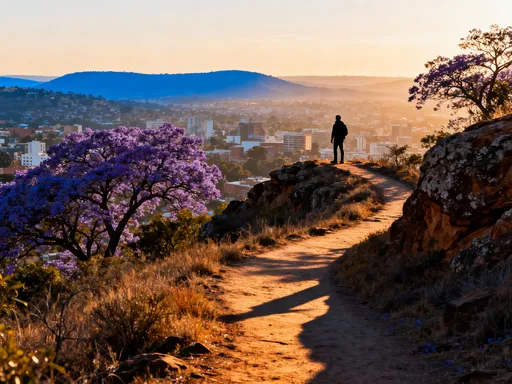
Pretoria isn’t just government buildings and jacaranda trees—you’ve gotta see it from above. I hit the trails weaving through its urban districts and was blown away by how wild and peaceful it feels, just minutes from city life. From rocky ridges to green belts hiding in plain sight, hiking here offers a whole new view of South Africa’s capital. This is real, raw, and absolutely refreshing. With panoramic vantage points, protected nature reserves, and footpaths tucked between neighborhoods, Pretoria reveals a side few travelers ever witness. These urban trails aren’t just scenic escapes—they’re lifelines connecting people to nature, wellness, and community. Whether you're a local seeking serenity or a visitor chasing authenticity, the city’s hidden hiking routes promise adventure without the long drive.
Why Hiking in City Districts Is a Game-Changer
Urban hiking is redefining outdoor adventure, especially in cities like Pretoria where nature and cityscape coexist in surprising harmony. Unlike remote mountain treks requiring full-day commitments, city district trails offer accessible, time-efficient escapes that deliver maximum reward. These routes allow residents and visitors to immerse themselves in nature without navigating traffic or spending hours in transit. The beauty lies in their proximity—within minutes of office buildings and residential streets, hikers find themselves stepping onto dirt paths shaded by indigenous trees, listening to birdsong instead of honking horns.
What sets Pretoria apart is how seamlessly its urban planning integrates green corridors. Trails often begin at the edge of suburbs, winding through rocky outcrops and river valleys before climbing to elevated viewpoints. This blend of accessibility and natural richness makes hiking a practical daily habit rather than a weekend luxury. For busy professionals, parents, and retirees alike, these trails provide mental clarity, physical activity, and emotional restoration—all within city limits. The shift from urban noise to natural calm happens almost instantly, offering a powerful reset for the mind and body.
Moreover, city district hiking promotes sustainable tourism and environmental awareness. As more people discover these paths, there’s growing appreciation for local biodiversity and conservation efforts. Trails serve as outdoor classrooms, where families observe wildlife, learn about native plants, and develop a deeper connection to their environment. Local governments are responding by expanding trail networks and improving signage, recognizing that accessible green spaces contribute to public health and community well-being. In Pretoria, urban hiking isn’t just recreation—it’s a movement toward healthier, more connected living.
Pretoria’s Most Walkable Districts for Trail Lovers
While Pretoria is known for its formal avenues and diplomatic enclaves, several neighborhoods quietly serve as gateways to exceptional hiking experiences. Waterkloof, Brooklyn, and Groenkloof stand out as districts where thoughtful urban design meets untouched nature. These areas were developed with green belts in mind, preserving natural contours and vegetation that now form the backbone of the city’s trail system. Residents here enjoy the rare privilege of stepping outside their front doors and finding themselves on quiet footpaths leading into bushveld and kloofs.
Waterkloof, perched on a ridge with sweeping views, connects to multiple trailheads via residential streets and park entrances. Early morning walkers often start at the end of quiet cul-de-sacs, where paved sidewalks give way to gravel paths climbing into rocky terrain. The transition is seamless—one moment you're passing well-kept gardens, the next you're surrounded by aloes, euphorbias, and the occasional klipspringer perched on sun-warmed boulders. This district’s elevation offers panoramic perspectives, especially at dawn when the city lights fade beneath a rising sun.
Brooklyn, closer to the city center, surprises with its network of green corridors running alongside residential zones. Though densely populated, the area benefits from preserved slopes and drainage lines converted into walking routes. These paths link to larger reserves like Groenkloof, creating continuous trails ideal for moderate hikes. Local initiatives have improved lighting, safety markers, and access points, making it easier for families and solo hikers to explore safely. The blend of urban convenience and natural immersion makes Brooklyn a model for future city planning.
Groenkloof, as both a neighborhood and a nature reserve, exemplifies how cities can protect ecological heritage while serving public needs. Its trail system is integrated into daily life—joggers, dog walkers, and birdwatchers share the paths, creating a vibrant outdoor culture. Signage is clear, parking is available, and kiosks offer refreshments, ensuring comfort without compromising the wilderness feel. For trail lovers, these districts prove that adventure doesn’t require leaving the city—it’s woven into its very fabric.
Meintjieskop: The Urban Peak That Delivers
Rising prominently at the edge of Pretoria’s central district, Meintjieskop is a geological landmark and one of the city’s most rewarding urban hikes. This quartzite ridge, part of the Magaliesberg range, offers a moderate climb with extraordinary payoff—360-degree views stretching across the city, the Highveld plains, and distant mountain ranges. The trail begins near the old fortifications and ascends through rocky terrain dotted with succulents and hardy grasses. Despite its central location, the sense of isolation is immediate, replaced only by the whisper of wind and the cry of raptors overhead.
The hike to the summit takes approximately 45 minutes at a steady pace, making it ideal for early risers or those squeezing in a midday escape. The path is well-marked with yellow arrows and informational plaques detailing the area’s geology and history. Hikers pass remnants of old military installations, silent witnesses to Pretoria’s past, before reaching the top where a stone cairn marks the highest point. From here, the city unfolds like a living map—government buildings, university campuses, and residential suburbs nestled beneath a vast sky.
Safety is a key consideration, and the city has responded with regular patrols, clear operating hours (sunrise to sunset), and visible signage. It’s recommended to hike in groups or with a companion, especially during cooler months when early mornings can be foggy. Carrying water, wearing sturdy shoes, and dressing in layers are essential, as temperatures can shift rapidly with elevation. The best time to visit is during autumn and spring when the air is crisp and visibility is at its peak.
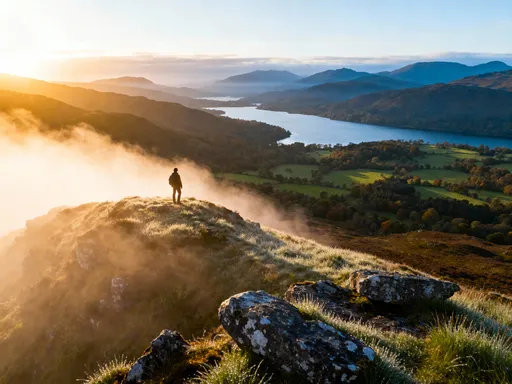
Many hikers return repeatedly for the sunrise experience—a moment when the first golden light spills over the horizon, slowly illuminating the city below. It’s a meditative, almost sacred event, where the bustle of daily life feels distant and small. Meintjieskop doesn’t just offer a view; it offers perspective. For locals, it’s a reminder of the natural beauty surrounding them. For visitors, it’s an unforgettable introduction to Pretoria’s hidden heights.
The Wonderboom Nature Reserve Trail Network
Just a short drive north of Pretoria’s city center, the Wonderboom Nature Reserve offers a rich tapestry of natural and cultural history. Named after the ancient fig tree—known as the Wonderboom—that stands at the confluence of the Apies River and a seasonal stream, this protected area spans over 60 hectares of diverse ecosystems. The reserve’s trail network caters to all levels, from short interpretive loops to longer hikes that follow the riverbanks and climb into rocky hillsides. It’s a place where geology, flora, and human history intersect in compelling ways.
The most popular route circles the Wonderboom itself, a massive Ficus salicifolia estimated to be over 1,000 years old. This single tree has spread vegetatively, forming a cluster of trunks that cover a wide area, creating a natural cathedral of roots and branches. Interpretive signs explain its ecological significance and the legends surrounding it, including stories of early settlers and indigenous communities who regarded it as sacred. The surrounding area is rich in birdlife—herons, kingfishers, and African fish eagles are commonly spotted near the water.
Longer trails extend beyond the river, leading through open savanna and into kloofs where kudu, bushbuck, and grey duiker roam. The reserve is fenced and monitored, ensuring animal safety while allowing for close, respectful observation. Benches and viewing platforms are strategically placed, offering rest spots and photo opportunities. Families appreciate the picnic areas and playgrounds, making it a full-day destination. The reserve also hosts educational programs for schools, emphasizing conservation and environmental stewardship.
For hikers, preparation is key. The terrain can be uneven, and shade is limited in certain sections, so wearing a hat, applying sunscreen, and carrying water are essential. Trail maps are available at the entrance, and guided walks are offered on weekends for those seeking deeper insight. The reserve operates under strict conservation principles—no littering, no off-trail walking, and no disturbance of wildlife. These rules ensure that the Wonderboom remains a sanctuary for generations to come. Whether you're drawn by history, nature, or quiet reflection, this reserve delivers on every level.
Groenkloof: Africa’s Oldest Nature Reserve
Established in 1892 by President Paul Kruger, Groenkloof Nature Reserve holds the distinction of being the oldest proclaimed nature reserve in Africa—a legacy of forward-thinking conservation. Nestled within Pretoria’s northern suburbs, this 600-hectare sanctuary offers a dense network of trails winding through rocky ridges, grassy plains, and riverine forests. Its longevity is a testament to sustained environmental protection, and today it serves as a vital green lung for the city. What makes Groenkloof exceptional is its balance between accessibility and wilderness—easily reachable, yet deeply immersive.
The reserve features over 12 kilometers of marked trails, ranging from gentle loops to more challenging ascents. The most popular route begins at the main entrance off Cambridge Road, leading hikers through a valley flanked by sandstone cliffs. Along the way, visitors encounter klipspringer, steenbok, and grey duiker, often grazing in the early morning or late afternoon. The reserve is also home to over 200 bird species, making it a favorite among ornithologists and casual birdwatchers alike. The sound of cicadas and the rustle of leaves underfoot create a sensory experience that feels worlds away from the nearby city.
Midway along the main trail, a small kiosk offers tea, coffee, and light snacks—a welcome stop after a steady climb. Run by a local community group, it adds a human touch to the natural setting. Restrooms and picnic areas are well-maintained, and parking is secure, making the reserve family-friendly. Educational signage explains the region’s ecology, including the role of fire in grassland management and the importance of indigenous plant species. School groups frequently visit for guided nature walks, reinforcing environmental awareness from a young age.
Groenkloof’s year-round usability is another advantage. In spring, wildflowers bloom in vibrant patches; summer brings lush greenery after the rains; autumn offers clear skies and mild temperatures; and winter mornings, though cool, provide unmatched visibility and crisp air. The reserve closes at sunset, encouraging safe, daylight hiking. Its enduring presence reminds us that conservation isn’t a modern trend—it’s a long-term commitment that benefits both nature and people.
Practical Tips for Safe and Enjoyable Urban Hiking
Hiking in an urban environment comes with unique advantages and responsibilities. While the trails of Pretoria are generally safe and well-maintained, hikers must remain aware of their surroundings and prepared for changing conditions. The first rule of urban hiking is visibility—wearing bright clothing, especially near roads or shared pathways, helps drivers and cyclists see you. Reflective gear is advisable during early mornings or late afternoons when light is low. Carrying a whistle or small flashlight adds an extra layer of safety, particularly on trails that border residential or industrial zones.
Footwear matters more than many realize. Even on moderate trails, rocky surfaces, loose gravel, and uneven steps can lead to slips or sprains. Sturdy hiking shoes with good grip are recommended, even for short walks. Dressing in layers allows for temperature adjustments, as Pretoria’s climate can shift dramatically between morning and midday. A lightweight rain jacket is also wise during summer thunderstorm season. Hydration is critical—carrying at least 500ml of water per hour of hiking prevents dehydration, especially on exposed ridges with little shade.
Navigation tools are essential, even on familiar routes. While major trails have clear signage, smaller footpaths may lack markers. Downloading offline maps or using GPS-enabled hiking apps ensures you stay on course. Informing someone of your route and expected return time is a simple but effective safety measure. It’s also wise to hike with a companion, particularly on less-traveled paths, though many of Pretoria’s popular trails are safe for solo hikers during daylight hours.
Respect for nature and community is equally important. Staying on designated trails prevents erosion and protects plant life. Littering is strictly prohibited in all reserves, and hikers are encouraged to carry out what they bring in. Dogs must be leashed and under control, and feeding wildlife is not allowed. These guidelines preserve the integrity of the trails and ensure they remain open to the public. By hiking responsibly, individuals contribute to a culture of care and sustainability.
How These Trails Are Shaping Pretoria’s Future
The network of urban hiking trails in Pretoria is more than a recreational asset—it’s a catalyst for positive change. City planners, environmentalists, and residents increasingly recognize the value of green corridors in promoting health, reducing urban heat, and fostering community engagement. Initiatives like the Pretoria Green Belt Project aim to connect fragmented natural spaces, creating continuous pathways for hikers, cyclists, and wildlife. These efforts reflect a growing understanding that cities thrive when they integrate nature into their core design.
Public participation has surged, with local hiking clubs organizing weekly walks, clean-up days, and educational events. These gatherings build social cohesion, bringing together people from different backgrounds around a shared love of nature. Schools incorporate trail visits into their curricula, teaching students about ecology, physical fitness, and environmental responsibility. The trails have also become spaces for mindfulness and mental wellness, offering quiet retreats in an increasingly fast-paced world.
From a conservation standpoint, the protection of these areas safeguards biodiversity in an urbanizing landscape. Native plants and animals depend on these green spaces to survive, and the trails serve as buffers against development pressure. Monitoring programs track wildlife populations and vegetation health, ensuring that management practices remain effective. Partnerships between the city, NGOs, and volunteer groups strengthen these efforts, creating a collaborative model for urban conservation.
Looking ahead, the expansion of Pretoria’s trail network could inspire other cities to prioritize accessible nature. As more people experience the joy of hiking just minutes from home, the demand for similar spaces will grow. This shift isn’t just about recreation—it’s about reimagining urban life as inherently connected to the natural world. The trails of Pretoria are not hidden forever; they are waiting to be discovered, cherished, and protected. They remind us that even in the heart of the city, wilderness whispers back—and all we need to do is listen.